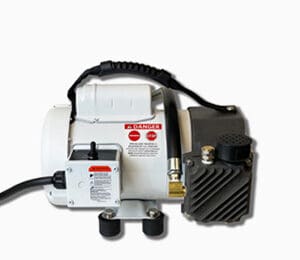
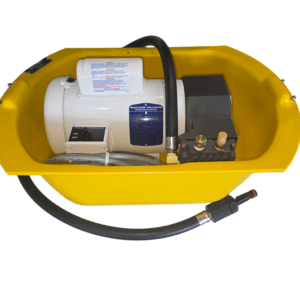
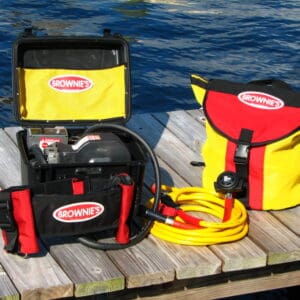
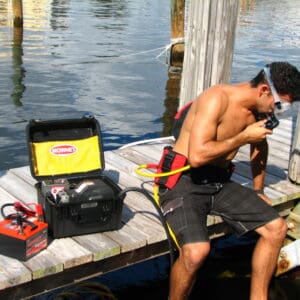
E150A Grab-N-Go Electric System
$2,900.00-
-


-


-


-


-


-


-
Portable diving systems are designed to provide divers with the freedom to explore underwater environments without the constraints of traditional tank-based systems. These systems allow for greater mobility and ease of use, making diving more accessible for both recreational and professional divers.
For instance, systems like Brownie’s THIRD LUNG™ utilize innovative technology to deliver air efficiently, enabling longer dive times and reducing the physical burden on divers. This versatility makes portable diving systems ideal for various applications, from casual snorkeling to commercial diving operations.
When selecting a diving system, it's crucial to compare the features and benefits of various options available in the market. Each system may offer unique advantages, such as portability, power source, and ease of use, which cater to different diving needs.
For example, the Egressor™ Mini Scuba System is lightweight and easy to transport, while the Variable Speed Hand Carry System provides a more powerful solution for extended dives. Understanding these differences can help divers make informed decisions based on their specific requirements and diving conditions.
Proper maintenance and care of diving equipment are essential to ensure safety and longevity. Regular checks and servicing can prevent malfunctions and enhance the performance of portable diving systems.
For instance, cleaning the air intake filters, checking the battery levels for electric systems, and inspecting hoses for leaks are crucial steps in maintaining diving gear. By following manufacturer guidelines and scheduling routine maintenance, divers can enjoy a reliable and safe diving experience.
Training and certification are vital components for anyone looking to dive safely and effectively. Various courses are available that teach essential skills and knowledge necessary for using portable diving systems.
Organizations often provide training programs that cover topics such as underwater navigation, emergency procedures, and equipment handling. Completing these courses not only boosts confidence but also ensures that divers are well-prepared for the challenges they may encounter underwater.