Florida Keys Lobstering Guide for Mini Season and Regular Season
By Robert Carmichael, Brownie’s THIRD LUNG™
Lobstering in the Florida Keys is an exciting adventure that blends the thrill of the catch with the beauty of the underwater world. Whether you’re new to diving or a seasoned pro, this guide is here to help you navigate the essential regulations, gear choices, and safety tips you need for a rewarding lobstering experience. The Florida Keys offer a unique underwater environment, so knowing the local rules and best practices not only makes your trip more enjoyable but also helps protect this incredible ecosystem. In this article, we’ll walk you through the key lobstering regulations, licensing requirements, top equipment recommendations, popular local spots, rigging tips, how to stay compliant with Florida Fish and Wildlife Conservation (FWC) rules, and important safety advice for beginners. By the time you finish reading, you’ll be ready to dive in with confidence.
What Are the Florida Keys Lobstering Regulations You Must Follow?
Before you head out, it’s important to understand the rules that govern lobstering in the Florida Keys. These regulations are in place to protect lobster populations and ensure that everyone can enjoy this activity sustainably. Key points to keep in mind include the official lobstering seasons, daily catch limits, and possession limits that all divers need to follow.
When Is the Lobstering Season in Florida Keys and What Are the Legal Limits?
Lobstering season dates and limits can change, so it’s always a good idea to double-check the latest information before you dive. For the most accurate and current details, visit the Florida Fish and Wildlife Conservation Commission (FWC) lobster regulations. Staying up to date helps you stay legal and supports the health of lobster populations for years to come.
Florida Lobster Season Rules and Limits
| Regulation | Mini Season | Regular Season |
|---|---|---|
| Season Dates | Last consecutive Wednesday and Thursday of July | August 6 – March 31 |
| Daily Bag Limit | 12 per person in Monroe County | 6 per person |
| Required License | Saltwater License + Lobster Permit | Saltwater License |
| Minimum Size | 3-inch carapace length | 3-inch carapace length |
| Egg-Bearing Lobsters | Harvest prohibited | Harvest prohibited |
Important: Always verify current regulations with the Florida Fish and Wildlife Conservation Commission (FWC) before diving.
How Do Florida Keys Lobstering Licensing and Permits Work?
If you want to lobster legally in the Florida Keys, you’ll need the right licenses and permits. The Florida Fish and Wildlife Conservation Commission (FWC) requires all divers to have a valid saltwater fishing license, which you can easily get online or at various retail spots. If you’re planning to take part in the mini-season, you’ll also need a special lobster permit. Make sure you understand the licensing process and have all your permits ready before you hit the water.
Essential Equipment and Maintenance for Florida Keys Lobstering
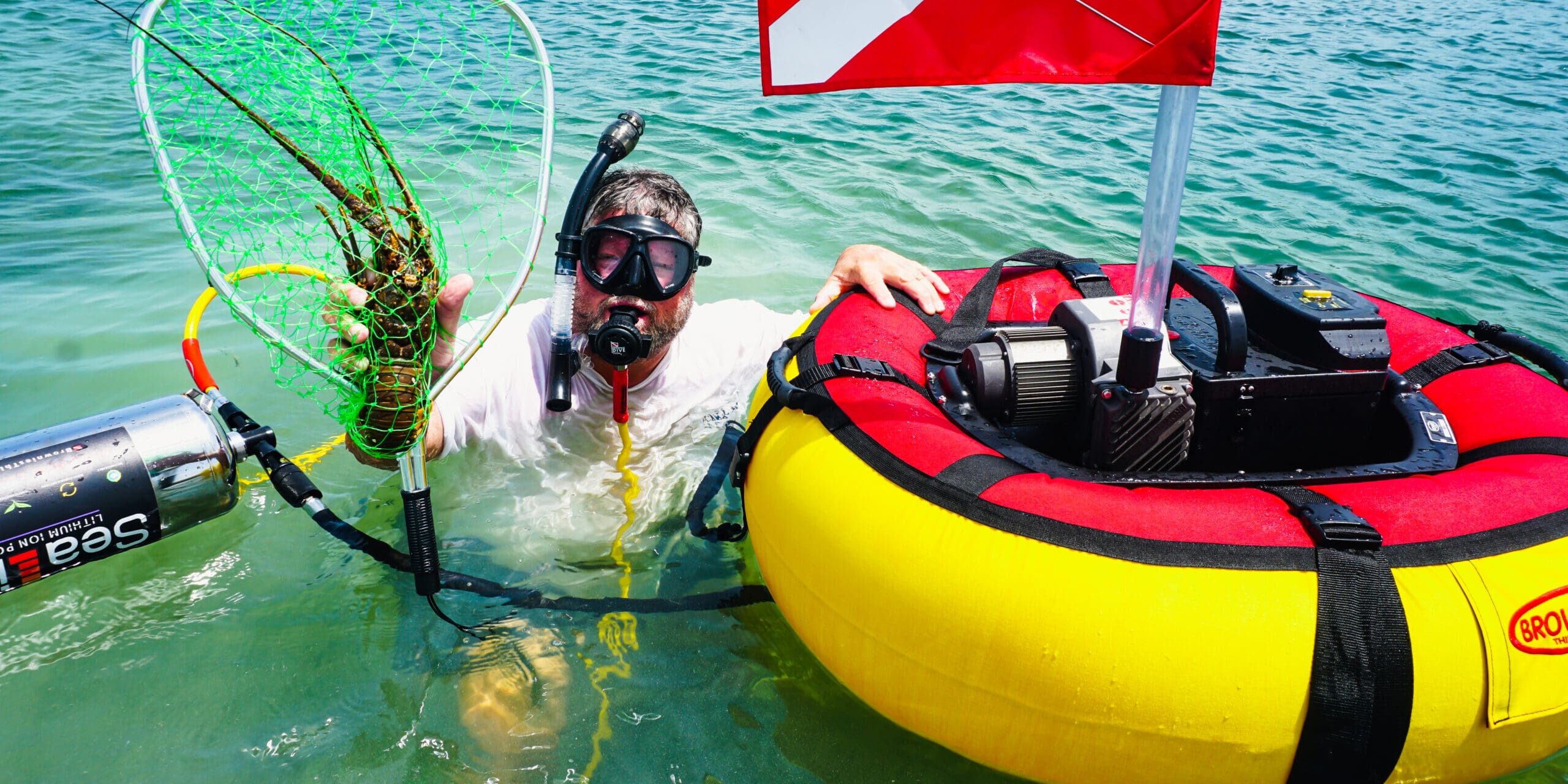
Having the right gear can make all the difference in your lobstering success. Some must-have items include a lobster net, a tickle stick, and a measuring gauge to make sure your catch meets size regulations. If you’re using Brownie’s Third Lung, there are some specific pieces of equipment that can really enhance your underwater experience.
What Essential Gear Complements Brownie’s Third Lung for Lobstering?
When diving with Brownie’s Third Lung, consider adding these essentials to your setup:
- Lobster Traps: Great for catching lobsters without needing to dive constantly.
- Diving Gloves: Protect your hands when handling lobsters and other marine creatures.
- Underwater Camera: Capture the stunning underwater scenery and your catches.
Recommended Gear for Florida Lobstering
| Gear | Purpose | Why It Matters |
|---|---|---|
| Lobster Gauge | Measure legal size | Required for FWC compliance |
| Tickle Stick | Guide lobster from holes | Reduces injury to lobster |
| Lobster Net | Capture lobster safely | Improves catch success |
| Dive Flag | Boat visibility | Critical for diver safety |
| Gloves | Hand protection | Protects against spines and reef cuts |
| Brownie’s Third Lung | Surface supplied air | Allows longer shallow-water dives without heavy tanks |
How Should You Maintain Your Lobstering Equipment for Longevity?
Taking good care of your gear ensures it lasts and performs well. Regularly check your equipment for any signs of wear or damage. After each dive, rinse your gear thoroughly to remove saltwater and prevent corrosion. Store everything in a cool, dry place. Don’t forget to inspect your Brownie’s Third Lung carefully—make sure hoses and connections are secure and working properly before each dive.
Local Spots
The Florida Keys are home to some fantastic lobstering spots, each offering its own unique underwater landscape and lobster populations. Here are a few favorites:
- Key Largo: Famous for its vibrant coral reefs and teeming marine life.
- Marathon: Offers a mix of shallow and deep waters, perfect for divers of all experience levels.
- Key West: Known for its lively underwater ecosystems and easy access to popular lobstering areas.
Popular Lobstering Areas in the Florida Keys
| Area | Known For | Typical Depth | Experience Level |
|---|---|---|---|
| Key Largo | Patch reefs and coral formations | 10-25 ft | Beginner to Intermediate |
| Islamorada | Shallow reef systems | 8-20 ft | Beginner Friendly |
| Marathon | Mixed reef and ledge diving | 10-35 ft | Intermediate |
| Key West | Large reef systems and structure | 15-40 ft | Intermediate to Advanced |
Mini Season vs Regular Season
It’s important to understand the difference between the mini-season and the regular season when planning your lobstering trips. The mini-season is a short, two-day period that allows for a higher daily bag limit, while the regular season lasts longer but has a lower daily limit. Keep in mind that some rules may vary slightly between these seasons, so staying informed is key.
Rigging Setup
Having a good rigging setup can make your lobstering trip smoother and safer. This includes managing your hoses effectively and working closely with a boat tender.
Hose Management
When using Brownie’s Third Lung, keeping your hoses organized is crucial. Proper hose management helps prevent tangles and makes it easier to move around underwater, boosting both your efficiency and safety.
Working with a Boat Tender for Tankless Lobstering
Partnering with a boat tender can really improve your lobstering experience. A tender can help manage your gear, provide safety support, and keep communication open while you’re underwater. Make sure you both understand your roles clearly to keep everything running smoothly.
FWC Compliance
Following Florida Fish and Wildlife Conservation regulations is a must for all lobstering activities. This means knowing how to use measuring gauges correctly and understanding bag limits, especially if you’re a tankless diver.
Measuring Gauges
Measuring gauges are essential tools to ensure the lobsters you catch meet legal size requirements. Learning how to measure properly helps you avoid fines and supports sustainable fishing.
Bag Limits for Tankless Divers
Tankless divers need to stick to specific bag limits, which are generally the same as those for regular divers. Knowing these limits helps protect lobster populations and keeps you on the right side of the law.
What Are the Key Lobstering Safety Tips and Beginner Techniques in Florida Keys?
Safety should always come first, especially if you’re new to lobstering. Being aware of potential risks and following safety guidelines can make your experience both fun and secure.
How Can Beginners Start Lobstering Safely Using Brownie’s Third Lung?
If you’re just starting out, take the time to get comfortable with your equipment and learn the safety protocols. Everyone using Brownie’s Third Lung must complete the online training course before diving to ensure they understand how to use it safely. Always dive with a buddy, check that your equipment is working properly, and practice good buoyancy control. It’s also a good idea to learn about the local marine environment and any hazards you might encounter.
What Environmental and Conservation Practices Should Lobstering Enthusiasts Follow?
Protecting the environment is a big part of responsible lobstering. Follow best practices like avoiding overfishing, respecting size limits, and being careful not to damage coral reefs. Educate yourself about the local marine life and consider getting involved in conservation efforts to help preserve these beautiful underwater habitats for future generations.
Advantages of Brownie’s Third Lung Compared to Scuba and Snorkeling
Brownie’s Third Lung offers a unique tankless diving system that blends the best of scuba and snorkeling while cutting out many of their drawbacks. Unlike traditional scuba gear, Brownie’s system doesn’t require heavy tanks, making it lighter and easier to move around underwater. This means you can dive longer without getting tired from carrying bulky equipment. Compared to snorkeling, Brownie’s Third Lung provides a steady air supply, letting you stay underwater longer and explore deeper areas. Overall, it’s a comfortable, efficient, and convenient choice for lobstering enthusiasts looking to get the most out of their underwater adventures.
Best Methods for Lobstering in Florida
| Method | Bottom Time | Mobility | Gear Weight | Best Depth Range | Best For |
|---|---|---|---|---|---|
| Freediving | Very Limited | Excellent | Very Light | 0-15 ft | Experienced breath-hold divers |
| Traditional Scuba Tanks | Long | Good | Heavy | 15-100+ ft | Deep lobster diving |
| Brownie’s Third Lung Surface Supplied Air | Long | Excellent in shallow water | Light | 0-45 ft | Florida Keys reef lobstering |
Frequently Asked Questions
What are the safety precautions for lobstering in the Florida Keys?
Safety is paramount when lobstering in the Florida Keys. Always dive with a buddy to ensure mutual safety and support. Familiarize yourself with your equipment, including Brownie’s Third Lung, and complete any required training. Check weather conditions and currents before diving, and be aware of your surroundings to avoid hazards like boat traffic and marine life. Additionally, practice good buoyancy control to prevent accidental damage to coral reefs and marine habitats.
How can I improve my lobstering skills as a beginner?
To enhance your lobstering skills, start by practicing basic diving techniques and becoming comfortable with your gear. Join local lobstering groups or take guided trips to learn from experienced divers. Focus on mastering the use of essential tools like tickle sticks and measuring gauges. Additionally, familiarize yourself with local lobster habitats and behaviors to increase your chances of success. Continuous learning and practice will help you become a more proficient lobstering enthusiast.
What should I do if I encounter a marine animal while lobstering?
If you encounter a marine animal while lobstering, it’s important to remain calm and avoid sudden movements. Observe the animal from a safe distance and do not attempt to touch or provoke it. Many marine creatures, such as stingrays or barracudas, can be unpredictable. If you feel threatened, slowly back away and give the animal space. Respecting marine life is crucial for both your safety and the health of the ecosystem.
Are there any specific conservation practices I should follow while lobstering?
Yes, responsible lobstering includes several conservation practices. Always adhere to size and bag limits to prevent overfishing. Avoid damaging coral reefs and marine habitats by being mindful of your movements underwater. Educate yourself about local marine life and participate in conservation efforts, such as beach clean-ups or habitat restoration projects. By following these practices, you contribute to the sustainability of lobster populations and the overall health of the marine environment.
What are the benefits of using Brownie’s Third Lung for lobstering?
Brownie’s Third Lung offers several advantages for lobstering, including a lightweight, tankless design that allows for greater mobility and longer dives without the fatigue associated with traditional scuba gear. The steady air supply enables divers to explore deeper and more complex underwater environments comfortably. Additionally, the system is easier to set up and manage, making it an excellent choice for both beginners and experienced divers looking to enhance their lobstering experience.
How do I choose the right lobstering location in the Florida Keys?
Choosing the right lobstering location involves considering factors such as water depth, visibility, and local lobster populations. Popular spots like Key Largo, Marathon, and Key West offer diverse underwater landscapes and abundant marine life. Research each area to understand its unique features and regulations. Additionally, consult local guides or experienced divers for recommendations on the best times and locations for lobstering to maximize your chances of a successful catch.