
The Complete Guide to Floating Air Compressors for Diving
The Complete Guide to Floating Air Compressors for Diving: Portable, Tankless, and Surface Supplied Air Solutions
Floating air compressors have introduced new options for recreational divers by offering portable, tankless, and surface-supplied air systems. These compressors are designed to deliver air to divers without the need for heavy tanks, improving mobility and convenience during shallow-water activities. In this guide, we will discuss the mechanics, realistic performance expectations, and appropriate applications of floating air compressors, as well as how to select a model suited for your diving needs. Many recreational divers encounter challenges with traditional scuba systems, such as limited air supply and bulky equipment. Floating air compressors provide an alternative approach, but it is important to understand that air supply depends on proper system operation and must be actively monitored to avoid interruptions caused by fuel, battery, or mechanical issues. This article emphasizes safe use, training, and adherence to local regulations for recreational and light-duty diving activities. Brownie’s Third Lung systems include an online training course to support safe and effective use.
Comprehensive Guide on Floating Air Compressors for Diving
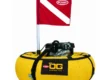
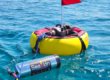
Floating air compressors are devices that supply air to divers from the surface while they are submerged. Unlike traditional scuba tanks, which require carrying heavy equipment, floating compressors are buoyant and positioned on the water’s surface. This setup can make diving more comfortable by reducing the physical load on divers during shallow-water activities. It is important to note that these systems are designed primarily for recreational and light-duty use, such as lobstering, boat maintenance, marine observation, and family diving. Users must be aware that air delivery depends on the system’s proper functioning and should be continuously monitored during use.
Overview of Floating Air Compressors
Floating air compressors operate by drawing air from the surface and compressing it for delivery to divers through hoses. The system typically includes a compressor unit, buoyant floats, and air delivery hoses. Power sources vary between electric motors and gasoline engines, depending on the model. While these systems can provide air for diving activities, divers should understand that air supply is not guaranteed to be continuous or uninterrupted and may be affected by operational factors such as fuel levels, battery charge, or mechanical issues. Floating air compressors offer a flexible air supply option for shallow-water recreational diving scenarios.
How Floating Air Compressors Work
Floating air compressors use mechanical components to compress and deliver air from the surface to the diver. The main parts include the compressor unit and air delivery hoses. Power sources include electric motors or gasoline engines, chosen based on the diving environment and user preference. The system requires active monitoring to ensure air supply is maintained, as interruptions can occur due to fuel depletion, battery failure, or mechanical problems. Proper training and adherence to safety protocols are essential for safe operation.
Key Features
Floating air compressors have features that support recreational diving applications:
- Portability: Many models are lightweight and easy to transport, suitable for various shallow-water diving trips.
- Tankless Diving: These systems provide air without the need for heavy tanks, reducing physical load during dives.
- Multi-Diver Capability: Some models can supply air to multiple divers simultaneously, useful for family or group diving activities.
These features make floating air compressors a practical choice for recreational divers seeking alternative air supply methods.
Advantages
Using floating air compressors for recreational diving offers several practical benefits:
- Reduced Physical Load: Eliminating heavy tanks can make diving more comfortable and less strenuous.
- Portability: The equipment is often easier to transport and set up compared to traditional scuba gear.
- Cost-Effectiveness: For light-duty use, these systems can be economical alternatives to traditional scuba setups.
It is important to recognize that these systems require proper operation and monitoring, and do not inherently extend dive times or guarantee uninterrupted air supply.
Applications in Diving Scenarios
Floating air compressors are suitable for various recreational and light-duty diving activities, including:
- Lobstering: Providing air supply for divers harvesting lobsters in shallow waters.
- Boat Maintenance: Supporting divers performing hull cleaning or inspections.
- Marine Observation: Assisting divers engaged in underwater observation or photography.
- Family Diving: Enabling group diving experiences with multiple divers sharing air supply.
These applications highlight the versatility of floating air compressors within their intended shallow-water and recreational use scope.
Choosing the Right Floating Air Compressor
When selecting a floating air compressor, consider the following factors:
- Power Source: Decide between electric or gasoline-powered models based on availability and environmental considerations.
- Diver Capacity: Determine how many divers will use the system simultaneously to ensure adequate air supply.
- Depth Limitations: Confirm the maximum recommended depth for safe operation, typically shallow water.
Choosing a system that fits your specific recreational diving needs and complies with local regulations is essential.
Maintenance Practices
Maintaining floating air compressors properly is crucial for safe and effective operation. Recommended practices include:
- Regular Inspections: Check the compressor unit, hoses, and connections for wear or damage before each use.
- Cleaning: Keep the equipment clean to prevent debris from affecting performance.
- Following Manufacturer Guidelines: Adhere to recommended maintenance schedules and procedures.
Consistent maintenance helps reduce the risk of air supply interruptions and equipment failure.
Training and Safety Protocols
Proper training and adherence to safety protocols are essential when using floating air compressors. Divers should:
- Complete Training Programs: Participate in courses covering system operation, safety, and emergency procedures. Brownie’s Third Lung systems include an online training course to facilitate this.
- Understand Emergency Procedures: Be prepared to respond to equipment malfunctions or air supply interruptions.
- Use Appropriate Safety Equipment: Wear life jackets and carry communication devices as recommended.
Following these protocols supports safe and responsible use of floating air compressors in recreational diving.
How Do Floating Air Compressors Work for Diving Applications?
Floating air compressors provide air to divers from the surface through hoses connected to a compressor unit. The system’s operation depends on mechanical components and power sources that require active monitoring to maintain air supply. Unlike traditional scuba tanks, these tankless diving systems do not guarantee continuous or uninterrupted air delivery and are intended for shallow-water recreational use with proper training and safety measures.
What Is Floating Compressor Technology and Its Key Features?
Floating compressor technology uses buoyant platforms to house compressor units that supply compressed air to divers via surface-supplied air systems. Key features include portability, tankless diving capability, and support for multiple divers. This technology offers an alternative to traditional scuba gear for specific recreational activities but requires careful operation and monitoring.
How Does Surface Supplied Air Delivery Operate with Floating Compressors?
Surface supplied air delivery involves drawing air from the surface, compressing it, and delivering it to divers through hoses. This method reduces the need for carrying tanks underwater but depends on the compressor’s proper functioning. Users must be vigilant about potential interruptions due to fuel, battery, or mechanical issues and should not assume an uninterrupted air supply.
What Are Tankless Diving Systems and Their Advantages?
Tankless diving systems provide air directly from a floating compressor to the diver, eliminating the need for traditional compressed air tanks. Advantages include:
- Portability: These systems are generally lighter and easier to transport than traditional scuba setups.
- Multi-Diver Support: Some models can supply air to multiple divers simultaneously, suitable for group recreational diving.
- Reduced Physical Load: Divers are not burdened with heavy tanks during shallow-water activities.
It is important to note that these systems require active monitoring and proper operation to maintain air supply and are designed for shallow-water use only.
How Do Tankless Systems Eliminate the Need for Compressed Air Tanks?
Tankless systems deliver air directly from the compressor to the diver through hoses, bypassing the need to carry compressed air tanks. This setup reduces the physical load on divers but requires careful attention to system operation and maintenance to avoid air supply interruptions.
What Environmental and Operational Benefits Do Tankless Diving Systems Offer?
Tankless diving systems offer several benefits for recreational use:
- Reduced Equipment Bulk: Eliminating tanks reduces the amount of gear needed.
- Potential Cost Savings: For light-duty use, these systems may lower equipment and maintenance costs.
- Simplified Setup: Tankless systems can be easier to prepare for shallow-water dives.
Users should remain aware of operational limitations and ensure proper training and adherence to safety guidelines.
Which Surface Supplied Diving Equipment Integrates with Floating Air Compressors?
Floating air compressors integrate with surface supplied diving equipment designed for recreational use. Key components include:
- Compressor Unit: Compresses air drawn from the surface.
- Buoyant Float: Keeps the compressor afloat and stable on the water surface.
- Air Delivery Hoses: Transport compressed air from the compressor to the diver.
These components work together to provide air supply for shallow-water diving activities, with the understanding that air delivery depends on proper system operation and monitoring.
What Are the Essential Components of Surface Supplied Air Diving Gear?
Surface supplied air diving gear typically includes:
- Compressor Unit: The source of compressed air.
- Air Delivery Hoses: Connect the compressor to the diver’s breathing apparatus.
- Diving Regulator: Allows the diver to breathe the supplied air.
Familiarity with these components is important for safe and effective use of floating air compressors.
How Do Floating Compressors Enhance Underwater Breathing Apparatus Performance?
Floating compressors provide an alternative air supply method by delivering air from the surface, reducing the need for carrying tanks. While this can improve comfort during shallow-water dives, divers must actively monitor the system to manage potential interruptions and ensure safe operation.
What Are the Safety Considerations and Maintenance Practices for Diving Compressors?
Safety and maintenance are critical when using floating air compressors. Important considerations include:
- Pre-Dive Safety Checks: Inspect the compressor, hoses, and connections before each dive.
- Routine Maintenance: Follow a regular maintenance schedule as recommended by the manufacturer.
- Emergency Preparedness: Be trained and ready to respond to equipment failures or air supply interruptions.
Adhering to these practices helps reduce risks associated with floating air compressor use.
Which Safety Features Are Critical in Floating Air Compressor Design?
Key safety features include:
- Regular Inspections: To ensure all components function properly.
- O-Ring and Seal Checks: To prevent air leaks.
- Proper Charging and Fueling Procedures: To maintain reliable power supply.
These features support safe operation but do not guarantee uninterrupted air supply.
What Are the Recommended Maintenance Intervals and Procedures?
Recommended maintenance includes:
- Pre-Dive Inspections: Check for wear or damage before each use.
- Post-Dive Cleaning and Storage: Clean equipment and store it properly after use.
- Manufacturer-Specified Maintenance: Follow detailed maintenance guidelines to ensure longevity and performance.
Consistent maintenance is essential for safe and effective operation.
How Does Floating Air Compressor Technology Impact Diving Noise and User Experience?
Floating air compressors can produce noise and vibrations during operation, which may affect diver comfort. Designs often incorporate vibration dampening and engine design improvements to minimize these effects, contributing to a more pleasant experience during surface-supplied diving activities.
What Noise Reduction Technologies Are Used in Floating Compressors?
Noise reduction methods include:
- Vibration Dampening: Techniques to reduce vibrations transmitted through the water.
- Engine Design Improvements: Engineering to lower operational noise.
These technologies help reduce noise but do not eliminate it entirely.
How Does Reduced Noise Improve Diver Safety and Comfort?
Lower noise levels can improve communication among divers and reduce stress, enhancing comfort during dives. However, divers should remain attentive to their surroundings and equipment status regardless of noise levels.
What Are the Latest Industry Trends and Adoption Rates for Floating Air Compressors?
Floating air compressors are increasingly used in recreational diving sectors for activities such as lobstering, boat maintenance, and marine observation. Adoption is growing as divers seek alternatives to traditional scuba gear for shallow-water use. Innovations focus on improving portability, user-friendliness, and safety features, while emphasizing the importance of training and adherence to local regulations.
How Is Tankless Diving Adoption Growing in Recreational Sectors?
Tankless diving systems are gaining popularity among recreational divers who value portability and reduced equipment bulk. These systems appeal to family groups and individuals engaged in light-duty underwater activities. Users are encouraged to receive proper training and understand the operational limitations of these systems.
What Innovations Are Shaping the Future of Floating Air Compressor Technology?
Emerging innovations include the use of advanced materials to reduce weight, improved noise reduction technologies, and smart monitoring features that provide real-time system status to users. These developments aim to enhance user experience and safety awareness but do not replace the need for active monitoring and proper training.