A productive installation conversation begins with a clear description of your boat and how you want to use it. If you are considering Brownie’s Integrated Air System (BIAS), use this worksheet to organize the information your marine installer and Brownie’s need before proposing a package.
This is an owner consultation tool, not an installation manual. It leaves electrical design, mounting, intake assessment and commissioning to the professionals responsible for the project. It also keeps the installation decision separate from diver training and the operating limits for the selected system.
The official BIAS overview explains the product and compares it with a portable floating system. BIAS supplies breathing air from equipment installed aboard the boat through a hose to divers. The questions below help turn interest in that product into a specific installation discussion.
Prepare a one-page description of the boat
Record the vessel make, model and year, whether this is a new build or refit, and who will manage the work. Add photographs of the spaces you would like the installer to assess, the proposed access area near the water and the documentation already available for the boat.
Describe the intended use in plain language. Does the equipment need to stay aboard this vessel? Where would the crew prefer to handle the hose? Which existing storage or deck activities must remain practical? These are useful owner preferences, rather than technical conclusions about where the equipment can be installed.
Give the installer a list of requirements and a separate list of preferences. “Retain access to this locker” is more useful than assuming the compressor will fit there. Ask for alternatives where an owner’s preferred location is unsuitable.
Use this installer consultation worksheet
Confirm the package before comparing quotes
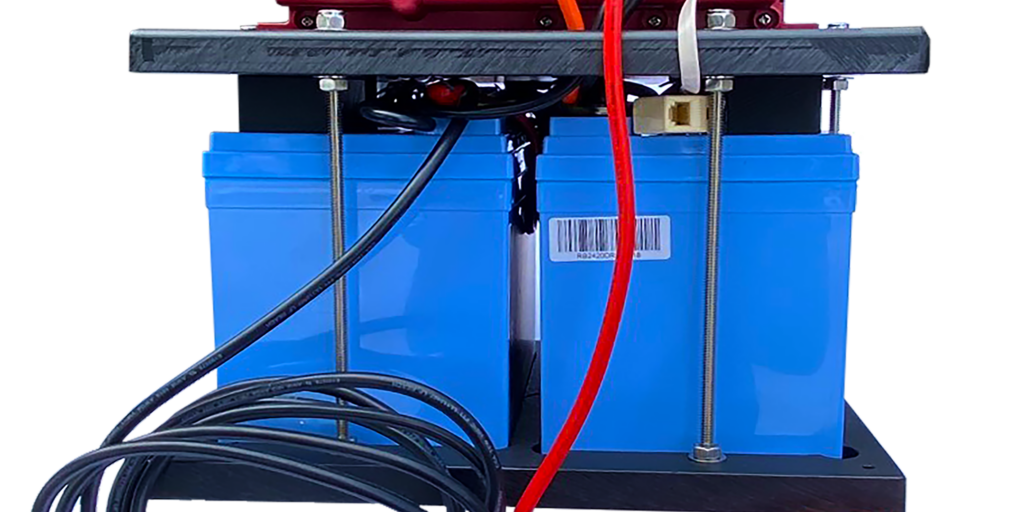
Ask each proposal to identify the exact module, power option, hose-access option and installation scope. The current BIAS overview describes a core module that can use a suitable 24V source or an optional dedicated battery pack. It also describes a basic thru-hull outlet and an optional E-Reel as different hose-access choices. Have Brownie’s and the installer confirm which arrangement is appropriate for your vessel.
Compare the same scope across proposals. A quote for equipment alone cannot be compared directly with one that includes assessment, installation and handover. Ask which work is included, which work is excluded and who will coordinate any additional boatyard services.
Keep price, lead-time and warranty questions in the proposal discussion so they are answered for the actual order. This worksheet does not establish a particular installation cost or promise that every boat can accept the same configuration.
Make the air-intake decision explicit
Brownie’s identifies clean breathing air at the compressor intake as an installation consideration and explains that a remote intake depends on the installation location. Ask the installer to explain the assessment for your boat and document the selected approach.
A proposed location is not approved simply because it is convenient or keeps the equipment hidden. The owner should understand which questions the installer evaluated and what changes, if any, the project requires. Avoid choosing an intake route from a generic diagram or adapting another vessel’s arrangement without an assessment.
Agree on handover before the work starts
Define a useful handover as part of the project scope, rather than leaving it until the final invoice. Ask who will explain the installed layout, where the owner will find the current instructions and how future service questions should be directed.
Record the installed equipment identification and selected configuration.
Retain the installation documentation and current operating instructions.
Document the installer’s completion and commissioning records.
Locate the information needed for inspection and service access.
Record unresolved questions, the responsible person and the next action.
Confirm which owner orientation is included and which diver training is separate.
Do not treat a completed installation as proof that a particular dive is appropriate. Follow the current equipment instructions, manufacturer limits and relevant training. An installer consultation worksheet cannot establish operating depth, diver capacity or emergency procedures.
Keep these official resources with the project
Use the built-in air systems category to identify the available products, the manuals and catalogs page for documentation, and Brownie’s contact page for configuration questions. Keep the version supplied for your equipment with the project record.
Frequently asked questions
Can this worksheet tell me whether BIAS will fit my boat?
No. It helps organize a vessel-specific assessment by Brownie’s and a qualified marine installer. The proposal should answer that question for the actual boat and equipment.
Should I choose the hose outlet location first?
Share your preferred location, then ask the installer to assess it alongside the complete arrangement. A preference should remain open to revision when the equipment and vessel are evaluated together.
What should I send before the first consultation?
Start with the vessel identification, photographs, available documentation and a short description of the intended use. Ask the installer what additional information is needed before a site visit or proposal.
A clear project record makes the conversation easier for everyone involved. Bring the worksheet to the consultation, capture the answers and use the agreed configuration when reviewing the final proposal.