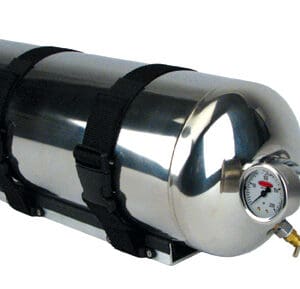
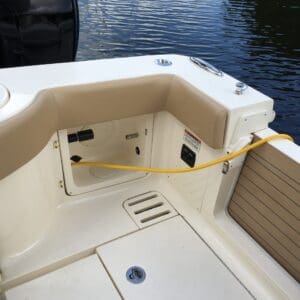
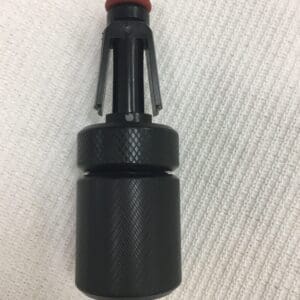
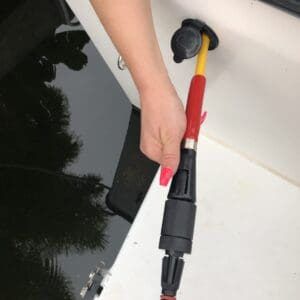
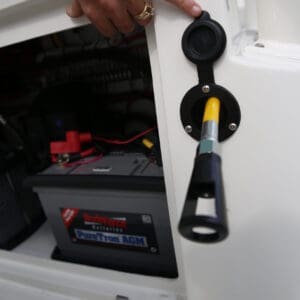
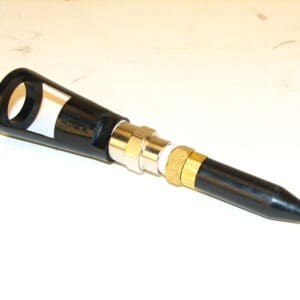
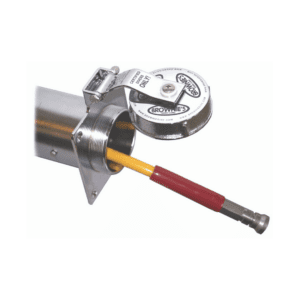
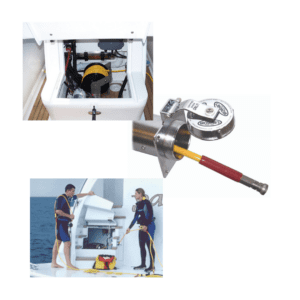
Accumulator Tank, SS, 2.5 gal, gauge, cradle, QRS fittings
$450.00-

-
-


-


-


-


-

-


-
Built-In Air Systems (BIAS) represent a revolutionary approach to diving, providing divers with a seamless and efficient way to breathe underwater without the need for traditional tanks. These systems are designed to enhance the diving experience by offering greater freedom of movement and eliminating the bulk associated with conventional scuba gear.
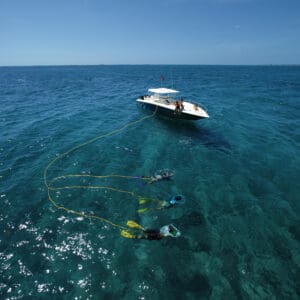
BIAS technology incorporates sophisticated air delivery mechanisms that allow divers to access breathable air directly from the surface or a portable unit. This innovation not only reduces the weight and complexity of diving equipment but also allows for longer dive durations and improved safety, making it an attractive option for both recreational and commercial divers.
Tankless diving offers several advantages over traditional scuba diving, including increased mobility and reduced equipment weight. Divers can move freely without the constraints of heavy tanks, which can enhance their overall experience and allow for more dynamic underwater exploration.
Moreover, tankless systems often feature built-in safety measures such as automatic shut-off valves and pressure monitoring, ensuring that divers remain safe while exploring underwater environments. This technology is particularly beneficial for beginners, as it simplifies the diving process and reduces the learning curve associated with using traditional scuba gear.
BIAS technology is not only popular among recreational divers but also finds applications in various professional fields such as underwater construction, marine research, and search and rescue operations. Its versatility makes it suitable for a range of underwater tasks, from inspecting submerged structures to conducting scientific studies in challenging environments.
In commercial diving, BIAS systems allow divers to work more efficiently and safely, with the ability to stay submerged for extended periods without the need for frequent tank refills. This efficiency translates to cost savings and improved productivity, making BIAS a preferred choice for many diving professionals.
Proper maintenance of Built-In Air Systems is crucial for ensuring optimal performance and safety during dives. Regular checks of the air delivery components, filters, and hoses are essential to prevent malfunctions and ensure a reliable air supply while diving.
Additionally, users should follow the manufacturer's guidelines for cleaning and storing their BIAS equipment after each use. This includes rinsing components with fresh water to remove salt and debris, as well as inspecting for wear and tear. By adhering to these maintenance practices, divers can prolong the lifespan of their equipment and enhance their overall diving experience.
Built-In Air Systems (BIAS) represent a revolutionary approach to diving, providing divers with a seamless and efficient way to breathe underwater without the need for traditional tanks. These systems are designed to enhance the diving experience by offering greater freedom of movement and eliminating the bulk associated with conventional scuba gear.
BIAS technology incorporates sophisticated air delivery mechanisms that allow divers to access breathable air directly from the surface or a portable unit. This innovation not only reduces the weight and complexity of diving equipment but also allows for longer dive durations and improved safety, making it an attractive option for both recreational and commercial divers.
Tankless diving offers several advantages over traditional scuba diving, including increased mobility and reduced equipment weight. Divers can move freely without the constraints of heavy tanks, which can enhance their overall experience and allow for more dynamic underwater exploration.
Moreover, tankless systems often feature built-in safety measures such as automatic shut-off valves and pressure monitoring, ensuring that divers remain safe while exploring underwater environments. This technology is particularly beneficial for beginners, as it simplifies the diving process and reduces the learning curve associated with using traditional scuba gear.
BIAS technology is not only popular among recreational divers but also finds applications in various professional fields such as underwater construction, marine research, and search and rescue operations. Its versatility makes it suitable for a range of underwater tasks, from inspecting submerged structures to conducting scientific studies in challenging environments.
In commercial diving, BIAS systems allow divers to work more efficiently and safely, with the ability to stay submerged for extended periods without the need for frequent tank refills. This efficiency translates to cost savings and improved productivity, making BIAS a preferred choice for many diving professionals.
Proper maintenance of Built-In Air Systems is crucial for ensuring optimal performance and safety during dives. Regular checks of the air delivery components, filters, and hoses are essential to prevent malfunctions and ensure a reliable air supply while diving.
Additionally, users should follow the manufacturer's guidelines for cleaning and storing their BIAS equipment after each use. This includes rinsing components with fresh water to remove salt and debris, as well as inspecting for wear and tear. By adhering to these maintenance practices, divers can prolong the lifespan of their equipment and enhance their overall diving experience.