The Ultimate Guide to Lobster Diving with Tankless Diving Systems: Practical and Fun Underwater Breathing
Lobster diving is an exhilarating underwater activity that combines adventure with the thrill of catching fresh seafood. This comprehensive guide explores the mechanics, benefits, and best practices of using tankless diving systems for recreational lobster diving. Many divers face challenges related to equipment weight, air supply limitations, and safety while exploring shallow underwater environments. Tankless systems offer a lightweight, portable air delivery option that can enhance convenience and comfort during short-duration dives. In this article, we will discuss how tankless diving systems operate, equipment considerations, safe diving practices, maintenance tips, and recent developments in diving technology, with a focus on conservative and responsible use.
How Do Tankless Diving Systems Work for Lobster Diving?
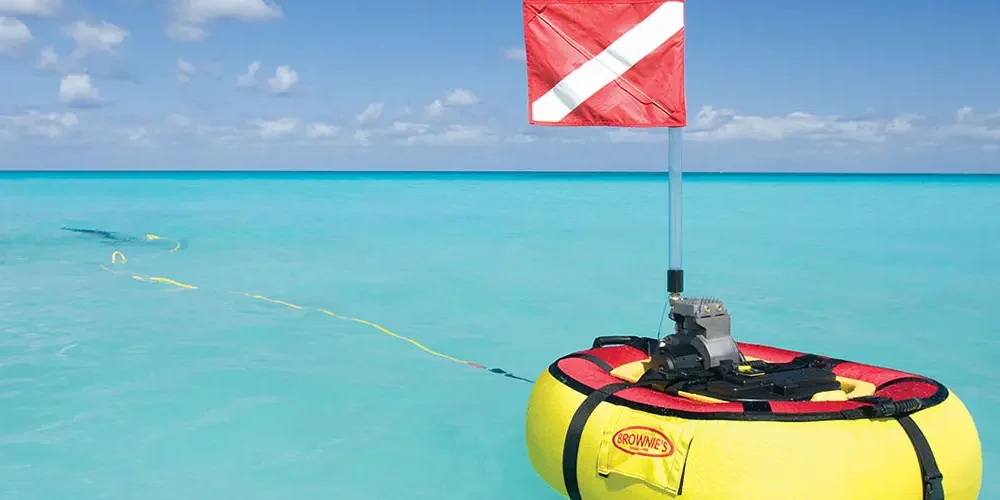
Tankless diving systems, often called hookah systems, provide divers with air supplied from the surface through a flexible hose, eliminating the need to carry heavy scuba tanks. These systems are designed for shallow, recreational dives and can improve mobility underwater by reducing equipment bulk. However, it is important to understand that the air supply is limited by factors such as battery life, compressor duty cycle, hose length, environmental conditions, and user behavior. Therefore, these systems do not provide an unlimited or guaranteed continuous air supply, and divers should always plan dives conservatively and monitor their equipment closely.
What Are the Key Components of Hookah Diving Equipment?
Hookah diving equipment consists of several essential components that work together to provide a functional diving experience. Key components include:
- Air Delivery Hose: A flexible hose connecting the diver to the surface air supply, allowing air to flow underwater within operational limits.
- Breathing Apparatus: Typically a mouthpiece or full-face mask that enables the diver to breathe comfortably while submerged.
- Safety Features: Many systems include pressure regulators and may have alarms or indicators to alert divers to potential issues, but these features vary by model and should not be solely relied upon for safety.
Understanding these components helps divers select appropriate equipment for short, shallow lobster diving excursions.
How Does Portable Air Delivery Support Safe Underwater Breathing?
Portable air delivery systems can support underwater breathing by supplying air from the surface, which may allow divers to remain submerged for limited periods. Unlike traditional scuba tanks, these systems depend on external power sources and have operational constraints such as battery life and compressor duty cycles. Because of these limitations, divers should not assume an unlimited or fail-safe air supply. Proper training, equipment checks, and conservative dive planning are essential to reduce risks. User experiences often note the convenience and comfort of these systems for recreational use, but safety depends on careful adherence to operational guidelines.
Which Hookah Equipment Should You Choose for Lobster Diving?
Choosing suitable hookah equipment involves considering factors such as system weight, air flow capacity, power source type, and operational duration. Since performance varies widely among models, divers should research verified product specifications and reviews. It is important to select equipment designed specifically for recreational, shallow-water use and to understand the limitations of each system.
What Features Differentiate Tankless Diving Systems?
When evaluating tankless diving systems, consider these features:
- Weight and Portability: Lighter systems improve underwater mobility but may have trade-offs in air delivery capacity.
- Air Flow Capacity: Adequate air flow is necessary for comfort and safety but is limited by system design and power source.
- Power Source and Duration: Battery life or fuel capacity restricts how long the system can operate; divers should plan dives within these limits.
These factors help determine which system aligns best with your recreational lobster diving needs.
What Are the Best Safe Lobster Diving Practices Using Tankless Systems?
Safety is critical when using tankless diving systems for lobster diving. Following conservative practices can help reduce risks and improve the diving experience.
How to Follow Safety Protocols for Hookah Diving?
To promote safety, divers should:
- Conduct Pre-Dive Equipment Checks: Verify that all components are functioning properly before entering the water.
- Use the Buddy System: Always dive with a partner to provide mutual assistance if needed.
- Know Emergency Procedures: Be familiar with how to respond to equipment malfunctions and how to safely ascend in case of an emergency.
Adhering to these protocols helps mitigate potential hazards associated with tankless diving systems.
What Legal and Environmental Considerations Apply to Lobster Diving?
Lobster diving is regulated by local laws that may include size limits, catch limits, and seasonal restrictions. Divers should consult and comply with all applicable regulations in their area. Additionally, practicing sustainable diving techniques—such as avoiding damage to marine habitats and respecting catch limits—helps preserve lobster populations and the underwater environment for future generations. This guide does not provide legal advice; divers are responsible for understanding and following local rules.
How Do You Maintain and Troubleshoot Tankless Diving Systems?
Proper maintenance is essential to ensure the reliability and longevity of tankless diving systems.
What Are Routine Maintenance Steps for Hookah Equipment?
Recommended maintenance includes:
- Cleaning Procedures: Rinse the air delivery hose and breathing apparatus with fresh water after each use to prevent saltwater corrosion.
- Inspection Tips: Regularly check hoses, connectors, and seals for signs of wear or damage.
- Storage Recommendations: Store equipment in a cool, dry place away from direct sunlight and extreme temperatures.
Consistent maintenance helps maintain equipment performance and safety.
How to Identify and Fix Common Tankless System Issues?
Common troubleshooting steps include:
- Check Connections: Ensure all hoses and fittings are securely attached to prevent air leaks.
- Inspect Power Source: Verify battery charge or fuel levels and recharge or refill as needed.
- Seek Professional Assistance: If problems persist, consult a qualified technician for repairs.
Prompt attention to issues helps maintain safe operation.
What Are the Latest Advancements in Tankless Diving Technology?
How Are Eco-Friendly and Lightweight Systems Changing Lobster Diving?
Recent developments in eco-friendly materials and lightweight designs are improving the practicality of tankless diving systems for recreational use. These innovations reduce environmental impact and enhance portability, making it easier for divers to carry and operate their equipment during short, shallow dives.
What Digital Monitoring Features Improve Air Supply Awareness?
Some modern tankless systems incorporate digital monitoring features that provide real-time information on air pressure and power levels. These features can help divers stay informed about their equipment status, but they do not guarantee uninterrupted air supply. Divers should use these tools as part of a comprehensive safety approach that includes conservative dive planning and adherence to operational limits.