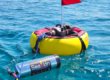

How to Choose the Right Tankless Dive System: Buyer’s Guide 2026
Choosing the right tankless dive system can enhance your underwater experience, especially for recreational divers seeking lightweight and portable alternatives to traditional scuba gear. This guide provides an overview of essential features, benefits, and considerations for tankless dive systems available in 2026. While these systems offer convenience and reduced bulk compared to traditional tanks, they come with important limitations related to battery life, compressor operation, hose length, and environmental conditions. Understanding these factors is key to safe and enjoyable use.
What Is a Tankless Dive System and How Does It Work?
A tankless dive system is a recreational underwater breathing apparatus that supplies air from the surface through a compressor and hose, eliminating the need for carrying pressurized tanks. These systems are designed for shallow-water use and short-duration dives, with air delivery dependent on compressor capacity and hose length. Unlike scuba, tankless systems do not provide an unlimited or guaranteed air supply, and divers must remain aware of operational constraints and environmental factors.
Understanding Tankless Dive System Technology
Tankless dive systems use surface-based air compressors connected to the diver via specialized hoses. The compressor draws air from the surface and delivers it at a regulated pressure suitable for breathing underwater. Due to limitations such as compressor duty cycles, battery life, and hose length, these systems are best suited for recreational dives of limited duration and depth. Features like pressure regulation and safety valves help manage air delivery, but users should always monitor equipment performance closely.
Differences Between Tankless and Traditional Dive Systems
Traditional scuba systems rely on self-contained, pressurized tanks that provide a finite air supply independent of surface equipment. Tankless systems, by contrast, depend on surface compressors and hoses, which can restrict mobility and dive duration. While tankless systems reduce the weight carried underwater, they require careful attention to compressor operation and hose management. Neither system is inherently safer; each has specific risks and operational considerations that divers must understand.
What Are the Key Features to Consider When Choosing a Tankless Dive System?
When selecting a tankless dive system, it is important to evaluate features that affect usability, safety, and suitability for your diving conditions. Keep in mind that these systems are intended for recreational use in shallow waters and should not be considered substitutes for certified commercial diving equipment.
Safety Considerations for Recreational Divers
Safety is critical when using tankless dive systems. Look for equipment that meets recognized recreational diving standards and has undergone appropriate testing. Always follow manufacturer guidelines and recommended safety protocols. Remember that these systems do not replace the need for proper dive training, buddy systems, and emergency preparedness.
Portability and Ease of Use
Portability is a key advantage of tankless dive systems. Choose models that are lightweight, compact, and easy to transport. User-friendly features such as quick-connect hoses and straightforward controls can improve your diving experience. However, ease of use does not eliminate the need for thorough pre-dive checks and ongoing equipment maintenance.
How Do Tankless Dive Systems Compare to Hookah Diving Systems?
Tankless dive systems and hookah diving systems both supply air from the surface but differ in design and typical applications. Both are generally intended for shallow, recreational use and have operational limitations related to hose length and compressor capacity.
Hookah Diving System Features and Safety Tips
Hookah diving systems use surface compressors connected to divers via long hoses, often employed for shallow underwater tasks. These systems can be bulkier and less portable than many tankless units. Safe use requires careful hose management to avoid entanglement and regular equipment inspections to detect leaks or malfunctions.
Portable Dive Systems Comparison: Tankless vs. Hookah
Key considerations when comparing tankless and hookah systems include:
- Mobility: Tankless systems tend to be more compact and easier to maneuver underwater.
- Air Supply: Both systems provide air from surface compressors, but air delivery depends on compressor operation and hose length rather than being truly continuous or unlimited.
- Diving Depth and Duration: Both systems are generally suitable for shallow, recreational dives. Actual depth and duration depend on manufacturer specifications, environmental conditions, and user behavior.
This comparison highlights that both systems have similar operational constraints and should be used conservatively within recommended limits.
Which Are the Top Tankless Dive Systems Reviewed for 2026?
Several tankless dive systems are notable for their design and user feedback in 2026. These systems are primarily intended for recreational divers seeking lightweight, surface-supplied air options for shallow-water activities.
Brownie’s THIRD LUNG: Overview
Brownie’s THIRD LUNG offers surface-supplied diving equipment, including hookah-style and portable air supply units. While their products are recognized for innovative design and ease of use, they are not marketed as fully independent tankless dive systems suitable for extended or deep dives. Their equipment is designed for recreational use with an emphasis on portability and straightforward operation.
User Feedback and Market Trends
User feedback generally highlights the convenience and reduced weight of these systems compared to traditional scuba gear. However, comprehensive market data and formal statistics specific to tankless dive systems remain limited. Divers are encouraged to research thoroughly and consider personal needs and limitations when selecting equipment.
How to Maintain and Care for Your Tankless Dive System?
Proper maintenance is essential to ensure your tankless dive system functions safely and reliably. Regular care helps prevent equipment issues and extends the life of your gear.
Step-by-Step Maintenance Instructions
- Clean the Equipment: Rinse the compressor and hoses with fresh water after each use to remove salt, sand, and debris.
- Inspect for Damage: Check hoses, connectors, and compressor components regularly for signs of wear or damage. Replace any compromised parts promptly.
- Store Properly: Keep the system in a cool, dry place away from direct sunlight and extreme temperatures when not in use.
Common Issues and Troubleshooting Tips
Common problems include air delivery interruptions and equipment malfunctions. If you notice reduced airflow or unusual noises, inspect hoses for blockages or leaks and verify compressor operation. Always perform pre-dive equipment checks and follow manufacturer troubleshooting guidelines.
What Innovations Are Shaping Underwater Breathing Systems in 2026?
The tankless dive system market continues to evolve with improvements focused on enhancing user convenience and equipment reliability within recreational limits.
Recent Advances in Tankless Dive System Technology
Recent developments include quieter, more energy-efficient compressors and the use of lighter, more durable materials for hoses and components. These improvements aim to increase portability and ease of use while maintaining safety within the operational constraints of recreational diving.