Tankless Dive Systems vs. Scuba Tanks: Which Is Right for You?
Tankless Dive Systems vs. Scuba Tanks: Understanding Recreational Underwater Breathing Options
Choosing an underwater breathing system requires careful consideration of the equipment’s capabilities and limitations. This article provides an overview of tankless dive systems and traditional scuba tanks, focusing on their use in recreational, shallow-water diving. It aims to clarify the operational constraints and safety considerations associated with each system to help divers make informed decisions.
It is important to recognize the physical demands and safety factors involved with any underwater breathing apparatus, including the effects on respiratory muscles and diver comfort.
Diver Breathing Apparatus Performance Considerations
Underwater breathing apparatuses impose various loads on the diver, including the weight of the equipment and respiratory resistance. These factors can affect breathing effort and overall comfort. Divers should be aware of these considerations when selecting and using any breathing system.
Key Differences Between Tankless Dive Systems and Scuba Tanks
Both tankless dive systems and scuba tanks provide breathable air underwater but operate on fundamentally different principles. Tankless systems deliver air from the surface through a hose connected to a compressor, while scuba tanks carry compressed air in a cylinder worn by the diver. These differences influence mobility, dive duration, and operational constraints.
How Tankless Diving Technology Works Compared to Traditional Scuba Tanks
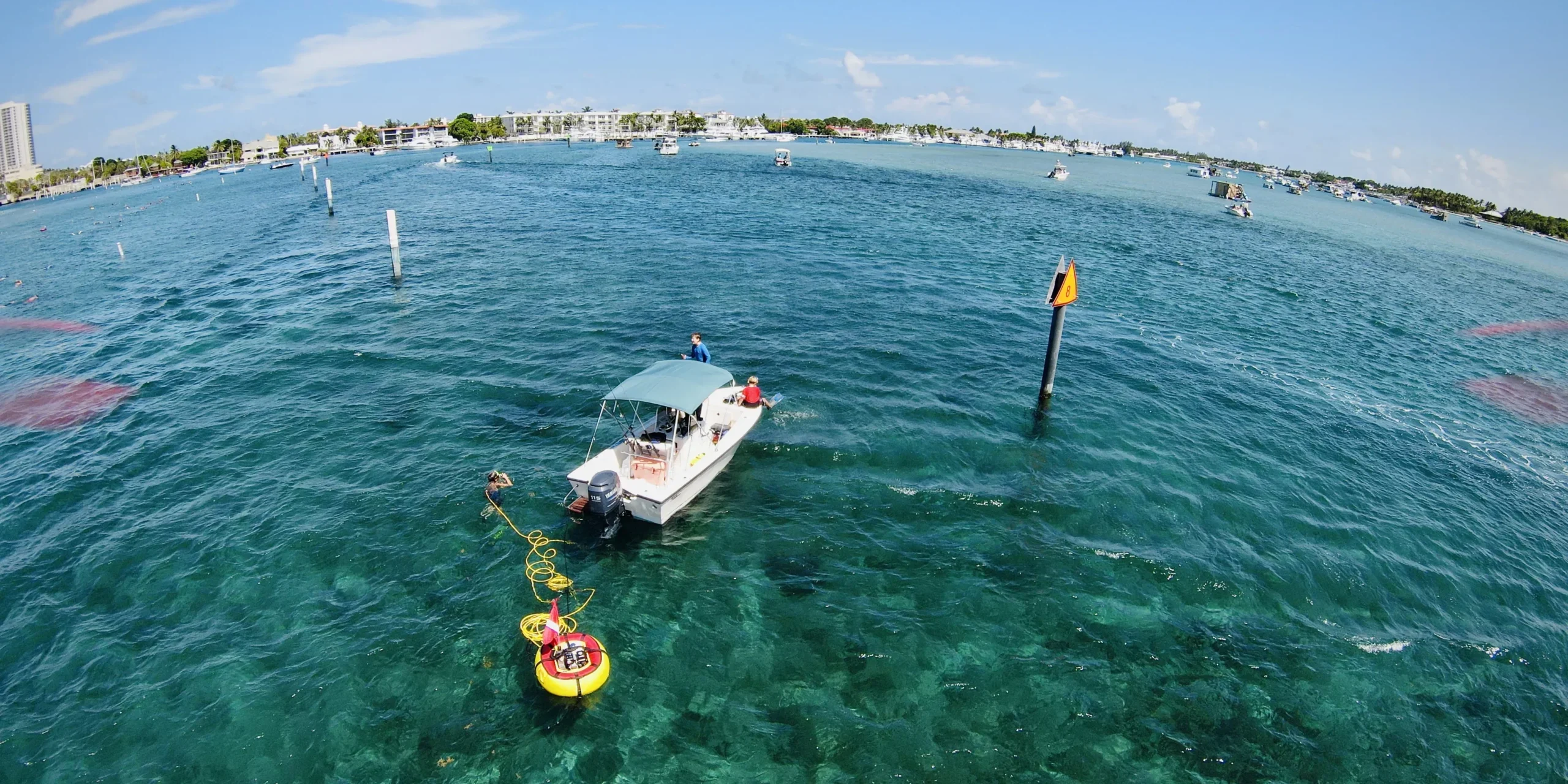
Tankless diving systems supply air continuously from a surface compressor via a hose, which means the diver depends on the surface equipment functioning properly throughout the dive. This setup eliminates the need to carry heavy tanks but limits use to shallow depths and requires careful planning. Traditional scuba tanks provide a self-contained air supply, allowing for greater depth and range but with the added weight and limited air volume.
Advantages and Limitations of Each Underwater Breathing System
Tankless systems offer the advantage of lighter gear underwater and can be easier to manage in shallow, controlled environments. However, they depend entirely on surface equipment, which can be subject to interruptions or failures. Dive duration is limited by compressor capacity and hose length, and these systems are generally not suitable for deep or complex dives.
Scuba tanks provide independence from surface support, enabling deeper and longer dives. They require regular maintenance, inspections, and refilling, and the equipment’s weight can affect diver mobility. Both systems require proper training and adherence to safety protocols.
Considerations for Using Tankless Dive Systems in Recreational Diving
Tankless dive systems are primarily intended for recreational use in shallow waters. They are not substitutes for certified commercial surface-supplied equipment and should be used with an understanding of their operational limits.
Operational Constraints and Safety Considerations
Because tankless systems rely on a surface compressor, any interruption in air supply can pose serious risks. Divers must remain vigilant, maintain conservative dive profiles, and be prepared to respond to equipment issues. These systems do not eliminate the need for air management or safety planning.
Users should receive appropriate training focused on the specific characteristics and limitations of tankless systems to ensure safe operation.
Environmental and Usage Limitations
Tankless systems are best suited for calm, shallow-water environments where surface support is readily available. They are not designed for deep-sea diving or complex underwater conditions. Divers should assess environmental factors such as currents and water temperature before use.
Understanding Hookah Diving Equipment in Relation to Tankless and Scuba Systems
Hookah diving uses a surface-supplied air system similar to tankless systems but is also intended for shallow-water recreational use. It involves breathing air through a hose connected to a surface compressor, with similar operational constraints and safety considerations.
How Hookah Diving Works and Safety Practices
Hookah diving allows divers to avoid carrying heavy tanks by relying on surface air supply. However, it requires careful attention to equipment maintenance, air quality, and avoiding entanglement with the hose. Regular training and adherence to safety protocols are essential to minimize risks.
Cost and Maintenance Overview of Tankless Dive Systems and Scuba Tanks
Both systems involve different cost structures and maintenance needs. Tankless systems typically have higher initial costs due to the compressor and surface equipment but may have different ongoing expenses compared to scuba tanks, which require regular inspections, refills, and equipment servicing.
Maintenance and Troubleshooting Recommendations
Users of tankless systems should regularly inspect hoses, compressors, and connections for wear or damage and clean equipment after use to prevent corrosion. Troubleshooting should focus on ensuring the compressor is functioning and all connections are secure. Scuba equipment requires routine inspections and adherence to service schedules.
Choosing the Right System Based on Use Case and User Needs
Applications for Recreational Diving
Tankless dive systems are appropriate for shallow-water recreational diving where surface support is available and dive profiles are conservative. They are not suitable for snorkeling or deep diving. Scuba tanks remain the preferred choice for deeper, longer, or more complex dives where independence from surface equipment is necessary.
User Considerations
Beginners may find tankless systems appealing due to lighter gear underwater but must understand the dependency on surface air supply and associated risks. Experienced divers often prefer scuba tanks for their versatility and autonomy. Training and understanding of equipment limitations are critical regardless of the system chosen.
Finding Reliable Recreational Tankless Dive Systems and Resources
Evaluating Equipment and Safety Information
When selecting tankless dive systems, divers should seek clear information about the equipment’s intended use, limitations, and recommended training. Claims of certifications or safety testing should be reviewed carefully, and divers should not assume equivalence with commercial or professional-grade surface-supplied systems.
Educational and Support Resources
Manufacturers and diving organizations may offer user manuals, maintenance guides, and training courses specific to tankless systems. Engaging with community forums and experienced users can also provide valuable insights into safe and effective use.
Frequently Asked Questions
What are the main safety concerns with tankless dive systems?
Tankless systems depend entirely on a surface air supply, so any failure of the compressor or hose can lead to loss of air underwater. Divers must be vigilant, maintain conservative dive profiles, and be prepared to respond to emergencies. Proper training and equipment maintenance are essential to reduce risks.
Can tankless dive systems be used for deep-sea diving?
No. Tankless systems are designed for shallow-water recreational use and are not suitable for deep or technical diving due to their reliance on surface air supply and hose length limitations.
How do environmental conditions affect tankless dive system performance?
Conditions such as water currents, temperature, and visibility can impact the reliability of the surface compressor and the diver’s ability to manage the hose. Divers should assess environmental factors carefully before use and avoid challenging conditions.
What is the expected lifespan of tankless dive systems compared to scuba tanks?
Lifespan depends on usage and maintenance. Tankless systems require regular care of compressors and hoses, while scuba tanks need periodic inspections and hydrostatic testing. Neither system guarantees indefinite use without proper upkeep.
Are specific training requirements necessary for tankless dive systems?
Yes. Divers should receive training focused on the operation, limitations, and emergency procedures specific to tankless systems to ensure safe use.
What are best practices for transporting tankless dive systems?
Transport equipment carefully in protective cases to prevent damage. Secure hoses and compressors to avoid tangling or impacts, and ensure equipment is clean and dry before storage.
How do tankless dive systems affect the diving experience?
Tankless systems offer lighter gear underwater and can simplify some aspects of diving in shallow water. However, they require careful planning, awareness of limitations, and do not eliminate the need for air management or safety vigilance.
Conclusion
Tankless dive systems and traditional scuba tanks each have distinct roles in recreational diving. Understanding the operational constraints, safety considerations, and appropriate use cases of tankless systems is essential for safe enjoyment. Divers should approach these systems with a clear awareness of their limitations and ensure proper training and equipment maintenance. For those interested in tankless diving, thorough research and conservative planning are key to a positive and safe underwater experience.