Battery Dive Systems vs. Gas Hookah: Which is Right for You?
Battery vs. Gas Powered Dive Systems: Comprehensive Guide for Safe and Portable Tankless Diving
Diving enthusiasts often consider battery-powered and gas-powered dive systems for recreational underwater breathing. Understanding the operational characteristics, limitations, and safety considerations of these systems is essential for a safe and enjoyable diving experience. This guide provides an overview of both battery and gas-powered dive systems, focusing on their use in shallow, short-duration recreational diving. It aims to clarify common misconceptions and help divers make informed choices based on realistic expectations and safety practices. We will explore the mechanics of each system, compare their practical advantages and limitations, and discuss important safety and maintenance considerations.
Technological developments continue to influence recreational diving equipment, but it is important to recognize the operational boundaries of tankless dive systems to ensure diver safety.
Technological Context in Recreational Scuba Diving
This section highlights the role of technology in supporting recreational scuba diving, emphasizing that while innovations have improved equipment portability and convenience, all systems have inherent limitations that divers must understand and respect.
What Are Battery Powered Dive Systems and Their Key Features?
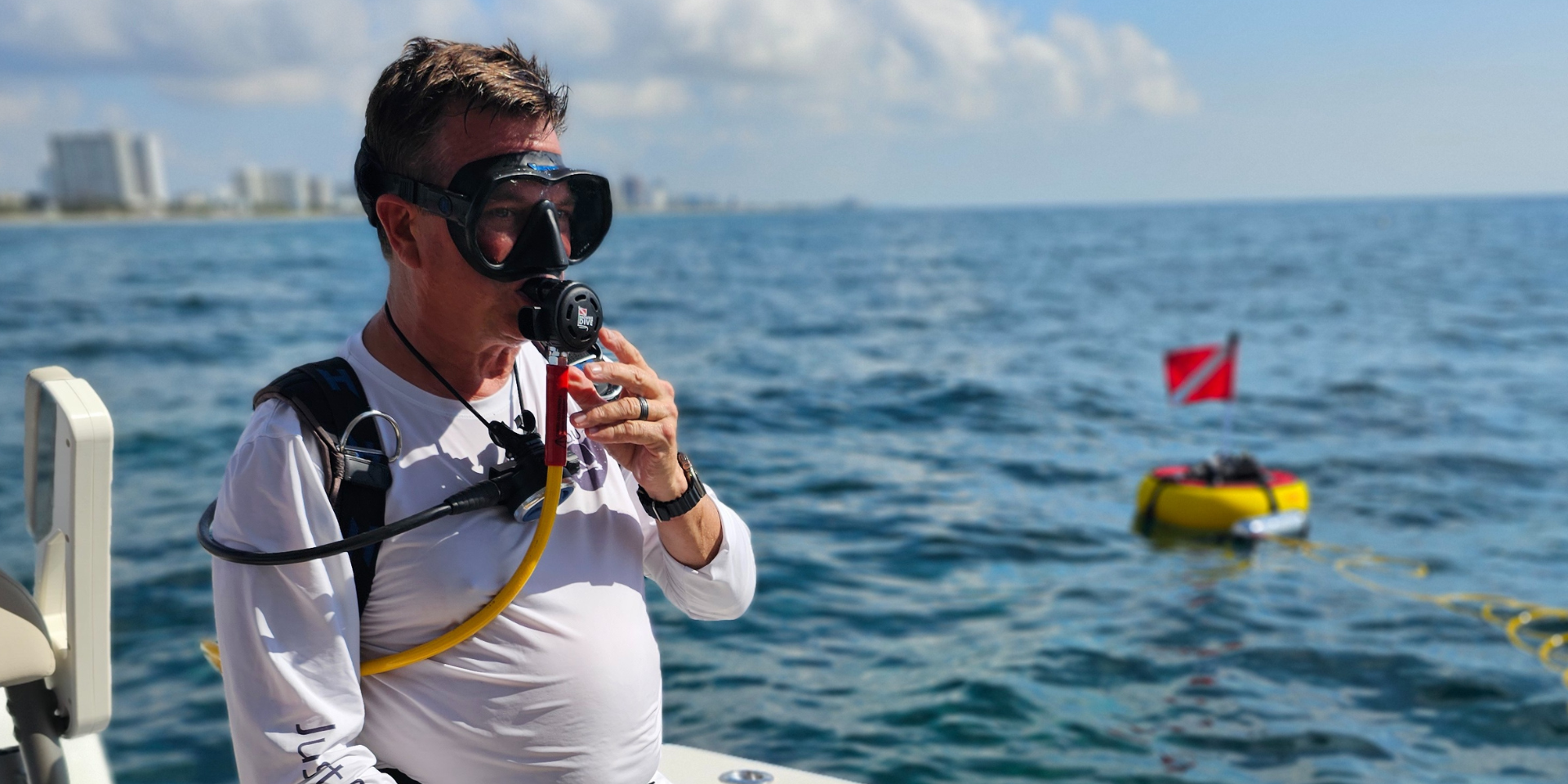
Battery-powered dive systems are compact devices that use rechargeable batteries to power a compressor, supplying air to the diver without the need for traditional tanks. These systems are designed primarily for short, shallow recreational dives. Their portability and relatively quiet operation make them appealing for specific underwater activities, but they are limited by battery capacity and compressor output.
How Do Battery Powered Dive Systems Operate as Portable Dive Compressors?
Battery-powered dive systems operate by drawing ambient air and compressing it through a battery-powered compressor unit. The battery life typically supports only a limited number of short dives before requiring recharging. Due to their design constraints, these systems are best suited for shallow water use and limited dive durations. Their lightweight and compact form factor facilitates transport, but divers should be aware that air supply is not continuous or unlimited.
What Safety Features and Usage Considerations Are Associated with Battery Powered Systems?
Safety features such as automatic shut-off or battery level indicators may be included in some models, but these vary widely and should not be relied upon as substitutes for proper training and vigilance. Battery-powered systems are generally intended for use by divers familiar with their operational limits. Recommended usage includes shallow, short-duration recreational dives where mobility is prioritized. Regular maintenance and battery condition checks are essential to reduce risks associated with equipment failure.
What Defines Gas Powered Hookah Systems and Their Operational Characteristics?
Gas-powered hookah systems use a gasoline or propane engine to drive a compressor that supplies air to the diver via a hose from the surface. These systems can provide air for recreational dives of limited duration and depth but are not designed for commercial or deep diving applications. Their operation depends on fuel availability and engine maintenance, and they require careful handling to manage associated risks.
How Does Gas Powered Hookah Diving Equipment Function?
Gas-powered hookah systems draw air from the surface, compress it using an engine-driven compressor, and deliver it to the diver through a hose. While they can support longer dive times than some battery-powered units, their air supply is not continuous or guaranteed and depends on engine performance and fuel supply. These systems are generally used for shallow recreational diving and require careful attention to operational limits and safety protocols.
What Safety Protocols and Maintenance Are Important for Gas Powered Systems?
Gas-powered systems require regular inspection of the engine, fuel lines, and compressor to prevent hazards such as fuel leaks or mechanical failure. Maintenance includes routine engine servicing and fuel system checks. Users must be trained in emergency procedures and understand the risks associated with fuel-powered equipment. Safety features vary by model and do not replace the need for diver awareness and conservative dive planning.
Comparing Battery and Gas Powered Dive Systems: Practical Advantages and Limitations
Both battery and gas-powered dive systems have specific advantages and limitations that affect their suitability for recreational diving. It is important to consider these factors realistically and avoid assumptions about continuous air supply or extended dive capabilities.
Portability and Power Source Differences
Battery-powered systems are generally more portable and lighter, making them easier to transport and handle. Gas-powered systems tend to be heavier and require fuel, which adds logistical considerations. Neither system is suitable for deep or prolonged dives, and both require careful planning to avoid running out of air.
Safety and User Experience Considerations
Neither system inherently guarantees greater safety; both require proper training, maintenance, and adherence to operational limits. Battery-powered systems may be quieter and free from fuel-related hazards, but their limited battery life restricts dive duration. Gas-powered systems can provide air for somewhat longer periods but introduce risks related to fuel handling and engine operation. User preference will depend on familiarity with equipment and specific dive conditions.
Best Practices for Safe Diving with Tankless Dive Systems
Safe use of tankless dive systems depends on understanding their limitations, performing regular maintenance, and following strict safety protocols.
Regular Equipment Maintenance for Battery and Gas Powered Systems
Maintenance is critical for both system types. Battery-powered systems require battery health monitoring, compressor cleaning, and connection checks. Gas-powered systems need thorough engine and fuel system inspections, along with compressor maintenance. Establishing and following a maintenance schedule helps prevent equipment failure and enhances safety.
Essential Safety Checks Before Diving
Before each dive, divers should verify compressor functionality, check battery charge or fuel levels, and inspect all hoses and connections for damage or leaks. Confirming that any model-specific safety features are operational is important, but divers must also be prepared to respond to emergencies independently. Comprehensive training and conservative dive planning are essential.
Choosing a Tankless Dive System: Considerations and Recommendations
Selecting a suitable tankless dive system involves evaluating your diving needs, understanding system limitations, and prioritizing safety.
Key Specifications and Features to Consider
Important factors include battery life or fuel capacity, compressor output, system weight, and ease of use. Since air supply is limited, ensure the system matches your typical dive duration and depth. User-friendly design and clear manufacturer instructions can improve safety and convenience.
Insights from User Experiences
User reviews and community feedback can provide practical insights into system reliability and suitability for specific recreational diving scenarios. Engaging with experienced divers can help set realistic expectations and inform safe equipment choices.
Current Trends in Tankless Diving Technology
Advancements continue in battery efficiency and compressor design, aiming to improve portability and user experience for shallow recreational diving. However, all tankless systems remain limited by air supply capacity and operational constraints, underscoring the need for cautious use.
Developments in Battery Powered Dive Systems
Recent improvements focus on enhancing battery capacity and reducing weight, with some models incorporating digital monitoring features. These innovations aim to extend dive times within the inherent limits of battery technology but do not eliminate the need for conservative dive planning.
Impact of Compact Portable Compressors
Smaller, lighter compressors increase the accessibility of tankless diving for recreational users, allowing easier transport and setup. Despite these benefits, divers must remain aware of the limited air supply and avoid exceeding recommended depth and duration limits.
This comparison highlights that both systems are intended for limited recreational use and require careful adherence to safety guidelines.
Frequently Asked Questions
Are battery-powered or gas-powered dive systems suitable for deep or commercial diving?
No. Both battery and gas-powered tankless dive systems are designed for shallow, short-duration recreational dives. They are not appropriate for deep, commercial, or prolonged diving activities due to limited air supply and operational constraints.
Do battery-powered dive systems provide continuous air supply?
Battery-powered systems provide air supply limited by battery capacity and compressor output. They do not offer continuous or unlimited air and should be used only within manufacturer-specified limits.
Are gas-powered systems inherently safer than battery-powered systems?
Neither system is inherently safer. Both require proper training, maintenance, and adherence to operational limits. Gas-powered systems involve fuel handling risks, while battery-powered systems depend on battery condition and compressor reliability.
What maintenance is required for these systems?
Battery-powered systems require battery health monitoring and compressor upkeep. Gas-powered systems need regular engine and fuel system inspections. Following manufacturer maintenance guidelines is essential for safe operation.
Can these systems be used for snorkeling?
Tankless dive systems are generally not designed or recommended for snorkeling. Snorkeling typically involves surface breathing through a snorkel, and these systems are intended for underwater breathing in shallow recreational dives.
Is specialized training necessary to use tankless dive systems?
Yes. Proper training on equipment operation, emergency procedures, and dive planning is essential to safely use any tankless dive system. Users should not rely solely on built-in safety features.
Are these systems suitable for beginner divers?
Tankless dive systems require familiarity with their operational limits and safety considerations. Beginners should seek appropriate training and guidance before using these systems and should not consider them a substitute for traditional scuba training and equipment.
What precautions should divers take when using tankless dive systems?
Divers should plan conservative dive profiles, monitor air supply closely, perform thorough equipment checks, and be prepared to abort the dive if any issues arise. Understanding the specific limitations of the chosen system is critical.
Conclusion
Battery and gas-powered tankless dive systems offer portable options for shallow, short-duration recreational diving but come with significant operational limitations. Neither system provides continuous or extended air supply suitable for deep or commercial diving. Safe use depends on understanding these limits, performing regular maintenance, receiving proper training, and practicing conservative dive planning. By approaching these systems with caution and respect for their constraints, divers can enjoy the benefits of portable underwater breathing while minimizing risks.