Top Tankless Dive Systems: Review of Brownies Third Lung
Comparing the Top Tankless Dive Systems: Ultimate Guide to Features, Benefits, and Buying Advice
Tankless dive systems—also called surface-supplied or hookah systems—deliver breathable air from a compressor on the surface to a diver via hose and regulator. This removes the need for carried scuba cylinders and extends bottom time. This guide explains how these systems work, compares Brownie’s specific gas-powered, battery-powered, and built-in AC/DC designs, and offers practical buying advice. Many divers and vessel owners struggle to balance runtime, portability, and operational considerations; an objective comparison clarifies trade-offs and highlights maintenance and training considerations. You will find clear definitions, component-level explanations, comparison tables, and use-case recommendations for recreational, yacht, and commercial operations. The article also covers safety best practices and maintenance schedules, referencing recognized training pathways for responsible operation.
What Is a Tankless Dive System and How Does It Work?
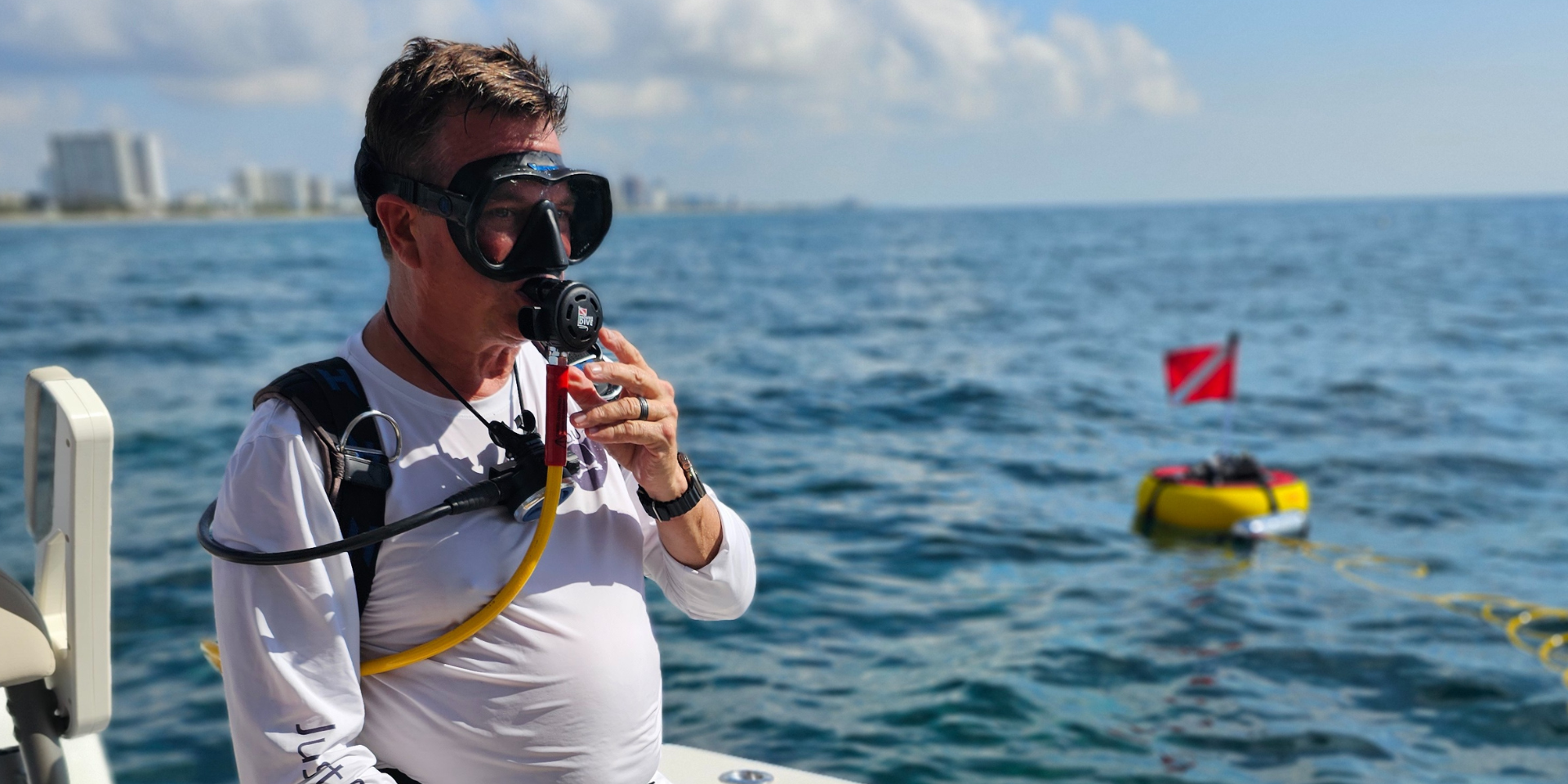
A tankless dive system supplies breathable air from a surface compressor to a diver underwater, using a hose and regulator to maintain appropriate pressure and flow, allowing divers to stay submerged without carrying tanks. The mechanism relies on a compressor or compressed-air source on a float or vessel that delivers air through an umbilical; pressure regulation and a demand valve ensure comfortable breathing. Key benefits include extended bottom time, lighter diver loads, and streamlined logistics for repetitive short dives. Understanding these mechanics sets the stage for comparing system categories, as power source and hose length directly determine operational depth and runtime. For a detailed side-by-side comparison of the leading tankless dive systems, see ourfull guide here.
How Do Surface-Supplied Air Systems Differ from Traditional Scuba?
Surface-supplied air systems differ from scuba as the air source stays on the surface, reducing diver weight and allowing extended run times varying based on the power source. They often have conservative depth limits due to hose restrictions, requiring clear communication and line-handling.
What Are the Main Components of Tankless Dive Systems?
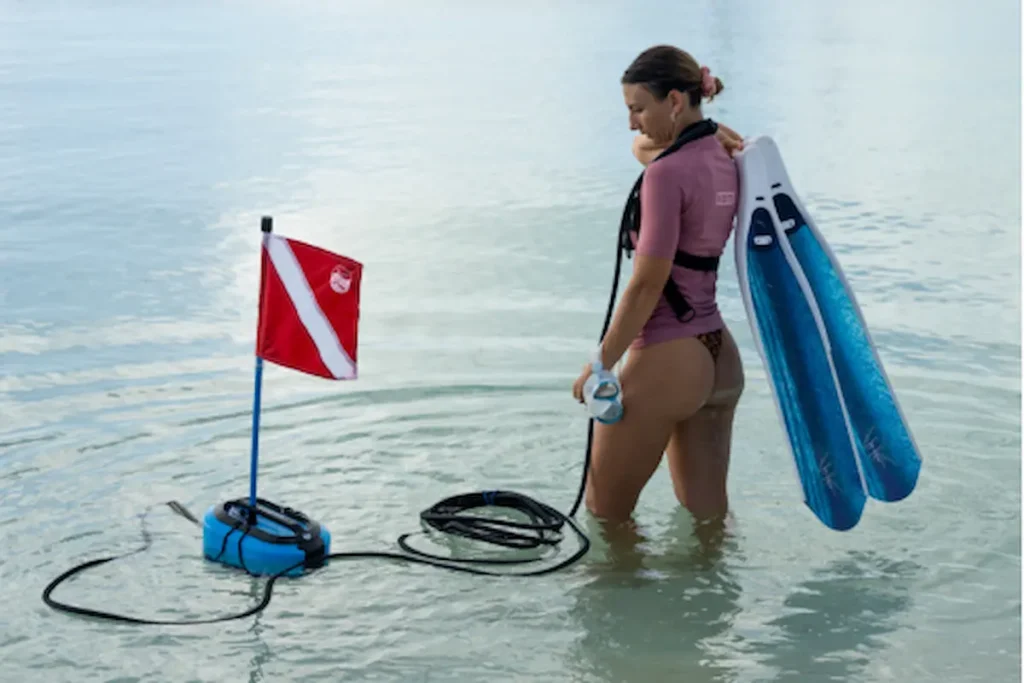
A typical tankless dive system includes a power source, compressor, air delivery (float/mount, hose), regulator/demand valve, and safety accessories. The compressor can be gas, battery, or vessel-integrated (AC/DC), each with trade-offs. Hoses and regulators determine diver support and depth; floats/mounts affect portability. Understanding components helps categorize systems by power source.
What Are the Different Types of Tankless Dive Systems?
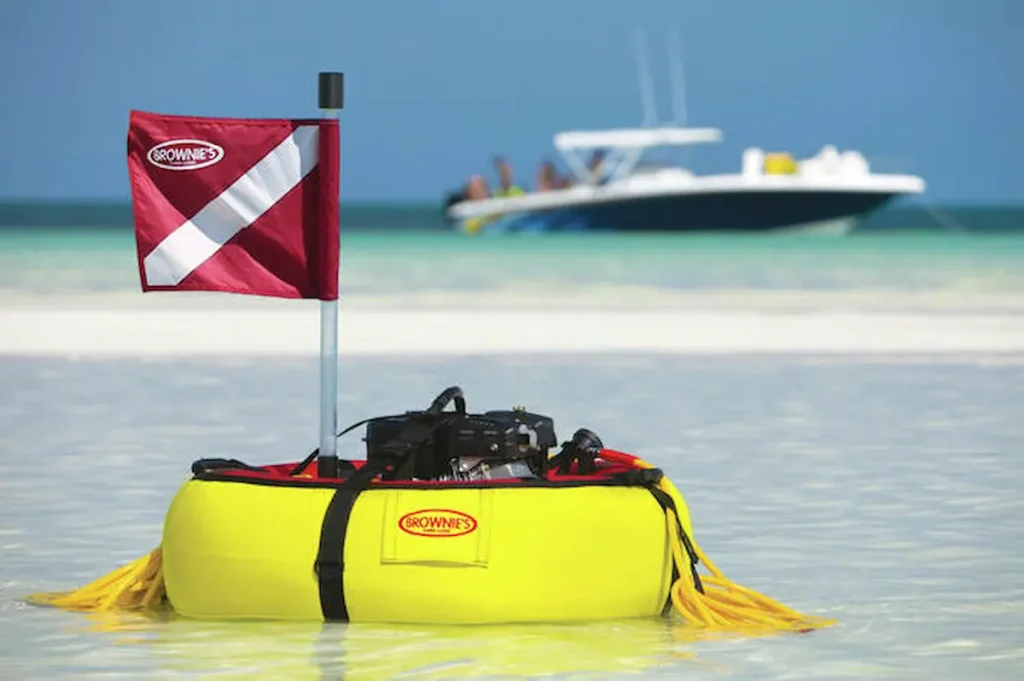
Brownie’s Tankless Dive Systems fall into three primary types, each serving distinct operational needs. The Gas-powered systems (Scout, Pioneer, and Explorer models) excel at long runtimes and multi-diver support, though they produce noise and exhaust, limiting use in sensitive environments and requiring more maintenance like tune-ups and oil changes. Battery-powered systems like the Sea LiOn and BLU3 Nomad are quiet, emission-free, and portable, ideal for recreational and travel use, but their runtime depends on battery capacity and recharging logistics, and battery lifespan is a factor. Electric (AC/DC) systems integrate with vessels for continuous, high-capacity service, perfect for yacht maintenance and professional tasks, but require complex installation and onboard power planning. These categories frame the trade-offs in performance, portability, and environmental impact.
How Do Top Tankless Dive Systems Compare on Key Factors?
Objective comparison across depth limits, runtime, diver capacity, portability, and price helps match system selection to mission requirements and budget constraints. Depth limits relate to hose length, airflow rate, and regulator design; runtime ties directly to power source and fuel or battery capacity; diver capacity depends on compressor flow rate and regulator distribution; portability is influenced by weight, float/mount design, and whether the unit is backpack-style or deck-mounted; price varies widely by capability, with entry-level battery units less costly than commercial built-ins. Below is a comparison that includes representative Brownie’s systems and company offerings to make trade-offs transparent and support purchase decisions. For full tables covering depth, runtime, and diver capacity for Brownie’s Sea LiON, BLU3, and gas-powered systems, visit the Tankless Dive System Comparison page.
Which Tankless Dive Systems Are Best for Specific Use Cases?
Matching models to specific use cases simplifies buying decisions by focusing on the attributes that matter most: portability for travel, capacity for commercial tasks, and quiet-emissions-free operation for sensitive environments. Recreational divers and underwater photographers typically prioritize quiet, low-emission battery systems like the BLU3 Nomad or Brownie’s Sea LiOn that support comfortable short dives and convenient transport. Yacht owners and tender operators often favor built-in or robust deck-mounted systems such as Brownie’s Electric Series or Brownie’s Gas Systems that integrate with onboard power, reducing setup time and supporting extended maintenance dives. Commercial and professional teams require high-capacity systems with redundancy, serviceability, and regulatory compliance, often found in Brownie’s Electric Series and larger Gas System models, to support inspections, salvage, and inspection workflows. These recommendations align equipment selection with real operational requirements.
What Safety Guidelines and Best Practices Should Divers Follow with Tankless Systems?
How Can Divers Ensure Safe Use of Tankless Dive Systems?
Divers and tenders must follow a consistent checklist: inspect compressor, hoses, and demand valve before each dive, and ensure a qualified surface attendant is present. Establish clear communication signals, mark hose routing to prevent entanglement, and monitor air quality. Maintain conservative depth limits and have an emergency bailout plan (e.g., spare regulator, scuba cylinder) for depths beyond typical recreational limits. These controls enhance redundancy and situational awareness.
What Training and Certifications Are Recommended for Tankless Diving?
Training is essential for anyone using a surface-supplied or hookah-style dive system. Brownie’s and BLU3 both provide access to online training courses that explain system operation, required procedures, and important considerations for responsible use; these courses are available to everyone, not only product owners. Here is a direct link to the free BLU3 Online Dive Training Course. Divers should also seek additional instruction that covers surface-supplied diving principles, emergency actions, and the responsibilities of a surface attendant. Periodic refresher training and hands-on practice are useful, especially for those who dive infrequently.
How Should You Maintain and Care for Your Tankless Dive System?
For a full list, please review the product’s manuals.
What Are the Maintenance Requirements for Gas-Powered Systems?
Brownie’s Gas-powered systems (Scout, Pioneer, and Explorer models) require routine engine service, fuel-system care, and maintenance for air purity and reliability. Essential tasks include regular oil changes, spark plug checks, and fuel stabilization for storage. Inspect intake screens before each outing, replacing per schedule. Check exhaust systems for integrity to prevent fumes reaching intake zones.
How Do You Maintain Battery-Powered Tankless Dive Systems?
Brownie’s battery-powered systems like the Sea LiOn and BLU3 Nomad need disciplined battery care: appropriate charge cycles, recommended storage state-of-charge, and inspection for swelling or connector corrosion to preserve runtime and lifespan. Regularly inspect waterproof connectors, seals, and O-rings for wear, replacing proactively, especially in saltwater. Monitor battery health and plan replacements before capacity degrades. Carrying a spare battery or portable charger mitigates shortfalls. Following manufacturer guidance ensures performance, safety, and predictable long-term replacement costs.
- Routine care: Inspect connectors regularly.
- Battery management: Follow charge/discharge guidance and store batteries correctly to maximize lifespan.
- Service logging: Keep records of maintenance tasks and service intervals to anticipate part replacement and schedule professional servicing.
Conclusion
Choosing the right tankless dive system can significantly enhance your diving experience by providing extended bottom time, supporting a more organized and enjoyable diving experience, and tailored performance. Understanding the differences between Brownie’s Gas-powered systems (Scout, Pioneer, and Explorer models), battery-powered (Sea LiOn, BLU3 Nomad), and Electric (built-in AC/DC) systems empowers you to make informed decisions. With deep roots in South Florida’s diving community (established in 1969), Brownie’s and BLU3 continue to lead the evolution of surface-supplied diving systems through decades of experience and innovation.
Explore the Full Tankless Dive System Comparison Page
Ready to Dive In?
Explore Brownie’s full range of tankless dive systems and find the perfect match for your underwater adventures.