The Complete Guide to Tankless Dive Systems: Understanding Surface Supplied Diving Equipment and Portable Underwater Breathing Solutions
Tankless dive systems represent an innovative approach in underwater exploration, providing divers with increased mobility by reducing reliance on traditional tanks. This guide covers the mechanics, benefits, and typical applications of tankless dive systems, helping you understand their capabilities and limitations. Many divers face challenges with mobility and equipment weight, which can affect their underwater experience. Tankless systems offer a lightweight, portable alternative that can enhance diving freedom for short-duration, shallow-water activities. In this article, we will explore how tankless dive systems operate, compare them to traditional scuba diving, discuss maintenance tips, and highlight important safety considerations.
What Are Tankless Dive Systems and How Do They Work?
Tankless dive systems are designed to supply air from the surface to divers, enabling underwater activities without carrying heavy tanks. These systems use a surface-supplied air mechanism, connecting the diver to a compressor on the surface via an air supply hose. This setup reduces equipment weight but requires careful management of hose length, battery capacity, and compressor duty cycles. The primary components of a tankless dive system include the air supply hose, breathing regulator, and surface compressor, each playing a role in delivering breathable air within operational limits.
Defining Tankless Diving Gear and Its Core Components
Tankless diving gear consists of several essential components that work together to support safe and efficient short-duration dives. The air supply hose delivers air from the surface compressor to the diver. The breathing regulator controls air pressure to provide a manageable flow. The surface compressor generates the air supply but is subject to operational constraints such as duty cycle and power source limitations. Understanding these components is important for divers intending to use tankless systems appropriately and safely.
How Surface Supplied Air Supports Portable, Task-Focused Diving
Surface supplied air systems can enhance diving convenience by reducing the need to carry heavy tanks. However, unlike self-contained scuba systems, these setups have operational limits influenced by battery life, compressor capacity, hose management, and environmental conditions. They are best suited for short-duration, shallow-water, task-focused activities rather than extended dives. Divers should be aware that air supply is dependent on equipment function and user behavior, and is not guaranteed to be uninterrupted.
How Does Hookah Diving Differ from Traditional Scuba Diving?
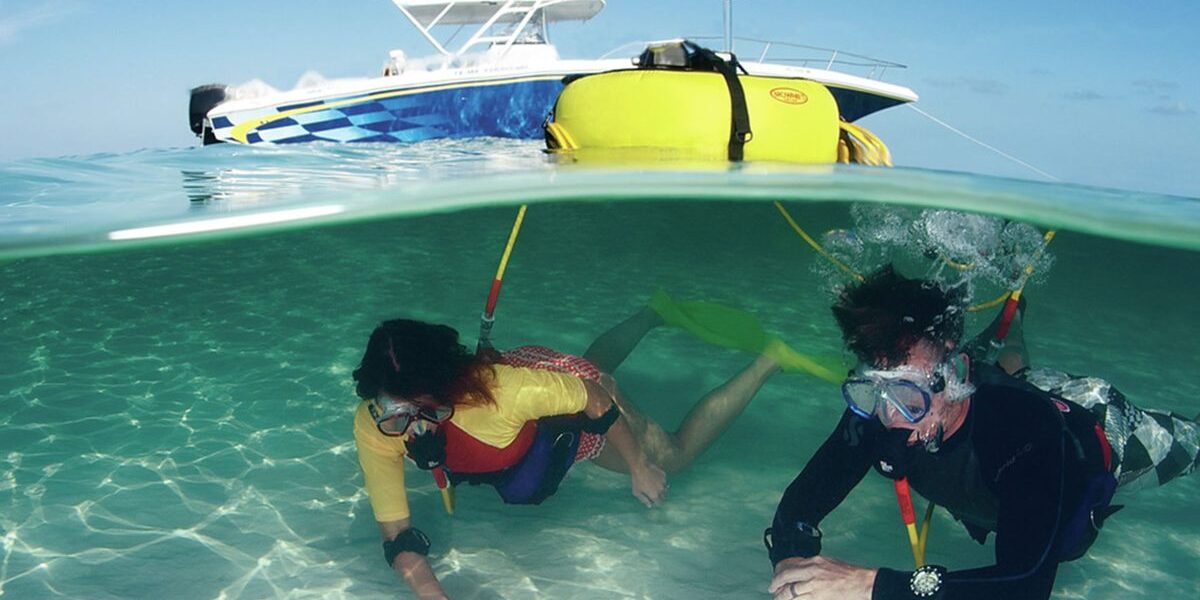
Hookah diving, a form of surface-supplied diving, differs from traditional scuba diving primarily in its air supply method. While scuba diving uses self-contained tanks, hookah diving connects divers to a surface compressor via an air hose. This affects equipment setup and dive planning. Hookah diving is often chosen for its relative simplicity and portability, making it suitable for recreational shallow-water activities rather than professional or regulated commercial diving.
Exploring Hookah Diving Systems and Their Typical Uses
Hookah diving systems offer advantages such as eliminating the need to carry heavy tanks and enabling dives within the operational limits of the compressor and hose. These systems are generally used for short, shallow dives like underwater photography or casual exploration. User feedback often highlights the ease of use and comfort of hookah diving, but divers should remain mindful of the system’s limitations and plan dives conservatively.
Is Hookah Diving Safe? Key Safety Protocols and Best Practices
Safety is critical in all diving activities, including hookah diving. Important safety protocols include regular equipment inspections, ensuring the air supply hose is free from kinks or obstructions, and maintaining clear communication with the surface support team. Divers should continuously monitor their air supply and surroundings. Best practices emphasize diving with a buddy, following manufacturer guidelines for depth and duration, and receiving proper training and supervision. Depth and duration limits vary by system and conditions, so conservative practices are essential for a safe hookah diving experience.
Which Portable Diving Air Supply Options Are Suitable for Recreational Divers?
Several portable diving air supply options are available for recreational divers, each with features suited to different activities. Understanding these options helps divers select equipment that matches their needs while respecting operational constraints.
This comparison highlights the distinct features and typical uses of each system, helping divers make informed choices based on their intended activities and equipment limitations.
Comparing Tankless Dive Systems and Hookah Equipment Features
Tankless dive systems prioritize lightweight portability and are generally suited for recreational divers focusing on ease of movement during short dives. Hookah systems offer straightforward operation and can support limited dive durations within the constraints of compressor capacity and hose management. Both systems have advantages and limitations, and the choice depends on the diver’s specific needs, training, and adherence to safety guidelines.
How to Choose the Right Underwater Breathing Apparatus for Your Needs
Selecting an underwater breathing apparatus requires careful consideration of factors such as dive type, experience level, and budget. Key considerations include:
- Diving Type: Identify whether your activities involve recreational shallow-water diving or other non-commercial underwater tasks.
- Experience Level: Choose equipment appropriate for your skill level; beginners may benefit from simpler, well-supported systems.
- Budget: Factor in equipment costs and any necessary accessories for safe operation.
Evaluating these factors helps divers select equipment that supports safe and enjoyable underwater experiences within operational limits.
What Are the Essential Maintenance and Troubleshooting Tips for Tankless Dive Systems?
Proper maintenance is vital to ensure the reliability and safety of tankless dive systems during use. Regular care helps prevent equipment failures and extends system lifespan. Understanding common issues and their resolution is important for divers relying on these systems.
Routine Care Procedures to Ensure Equipment Reliability
Routine maintenance for tankless dive systems includes:
- Inspect the Air Supply Hose: Regularly check for kinks, cracks, or wear that could restrict airflow.
- Clean the Breathing Regulator: Maintain and service the regulator to ensure consistent performance.
- Test the Surface Compressor: Perform regular operational checks to confirm the compressor functions within recommended parameters.
Following these steps helps maintain equipment reliability and safety.
Common Issues and How to Resolve Them Effectively
Common issues with tankless dive systems may include air supply interruptions, equipment malfunctions, and pressure fluctuations. To address these:
- Check Connections: Verify all connections are secure and free from leaks.
- Monitor Air Pressure: Use pressure gauges to ensure air supply remains within safe operating ranges.
- Consult the Manual: Follow manufacturer guidance for troubleshooting specific to your equipment model.
Promptly addressing these issues helps maintain system functionality and diver safety.
Which Regulatory and Safety Standards Govern Surface Supplied Diving Equipment?
Regulatory and safety standards for surface supplied diving equipment vary depending on the application and jurisdiction. Certified commercial surface-supplied diving equipment must meet stringent standards set by organizations such as ANSI, OSHA, and ADCI. However, recreational tankless dive systems are not substitutes for certified commercial equipment and may not be subject to the same regulatory requirements. Users should understand that compliance depends on the intended use and local regulations, and should always follow manufacturer instructions and best safety practices.
Understanding Compliance Requirements for Tankless Dive Systems
Compliance requirements differ based on whether the equipment is used for commercial, professional, or recreational purposes. Recreational tankless systems typically do not meet the certification standards required for commercial diving. It is important for users to recognize these distinctions and use equipment within its intended scope, ensuring proper training, supervision, and adherence to safety guidelines.
How Updated Industry Information Influences Safety Guidelines
Ongoing research and industry updates inform evolving safety guidelines. Recent findings emphasize the importance of regular equipment inspections, conservative dive planning, and adherence to manufacturer recommendations to minimize risks. Staying informed about these developments helps divers maintain safe practices and comply with applicable standards.
Where Can You Find Expert Reviews and User Experiences on Tankless Diving Gear?
Reliable reviews and user experiences can assist divers in making informed decisions about tankless diving gear. Expert reviews provide insights into performance and reliability, while user testimonials offer practical perspectives on ease of use and limitations.
Analyzing Product Comparisons and Customer Testimonials
When researching tankless diving gear, look for product comparisons that evaluate features, performance, and user satisfaction. Customer testimonials can reveal real-world experiences and help identify equipment best suited to your needs. Combining these resources supports well-informed purchasing decisions.
How Multimedia Resources Enhance Understanding of System Mechanics
Instructional videos and product demonstrations can improve understanding of tankless diving systems by visually explaining equipment operation and maintenance. Utilizing these multimedia resources can increase diver confidence and preparedness for underwater activities within the systems’ operational limits.