Maximize Your Boat Hull Care with Effective Dive Systems
Understanding Tankless Dive Systems for Boat Owners: Responsible Use and Limitations for Underwater Hull Maintenance
Maintaining a boat’s hull is important for its condition, but underwater tasks can be challenging and require careful planning. This article provides an overview of tankless dive systems designed for recreational use by boat owners, focusing on their limitations, risk management, and responsible operation. Readers will learn about how these systems function, the necessary safety precautions, and the importance of training and supervision. This guide emphasizes that tankless dive systems are not substitutes for professional diving equipment and should be used conservatively for short-duration, shallow-water activities.
What Are Tankless Dive Systems and What Should Boat Owners Know About Their Use?
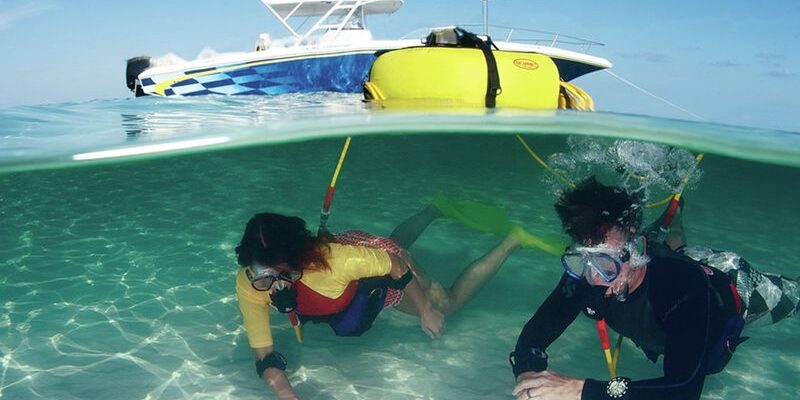
Tankless dive systems, often referred to as hookah systems, are recreational underwater breathing apparatuses that supply air from the surface through a hose to the diver. Unlike traditional scuba tanks, these systems do not carry compressed air on the diver’s back, but they do not provide a guaranteed continuous or uninterrupted air supply. Their use is generally limited to shallow, short-duration dives and requires careful attention to equipment and environmental conditions.
How Do Tankless Diving Equipment Work and What Are Their Limitations?
Tankless diving equipment operates by delivering air from a surface compressor or tank through a hose to the diver. Because the air supply depends on surface equipment, interruptions can occur due to hose damage, compressor failure, or other issues. These systems are not designed for deep or extended dives and do not replace the safety features of certified scuba gear. Divers must be aware that air flow can vary and that the system requires constant monitoring and conservative dive planning.
What Are Important Considerations When Using Portable Dive Systems for Boats?
Portable dive systems for boats are lightweight and convenient but come with important considerations:
- Limited Air Supply : Air delivery depends on surface equipment and can be interrupted.
- Shallow and Short Dives : Suitable only for limited depth and duration.
- Need for Supervision and Training : Users should be trained and never dive alone.
- Equipment Inspection : Regular checks are essential to detect wear or damage.
Understanding these factors helps boat owners use tankless dive systems responsibly and reduce risks associated with underwater activities.
How to Use Tankless Dive Systems Responsibly for Underwater Boat Maintenance?
Using tankless dive systems for hull maintenance requires strict adherence to safety guidelines and awareness of the system’s limitations. These systems are recreational tools and should not be considered professional diving equipment.
What Are Essential Safety Practices for Recreational Tankless Diving?
Key safety practices include:
- Pre-Dive Equipment Checks : Inspect hoses, connections, and air supply before each dive.
- Buddy System : Always dive with a partner who can assist in emergencies.
- Emergency Preparedness : Know how to respond to air supply interruptions or equipment failures.
- Conservative Dive Planning : Limit depth and duration according to manufacturer guidelines.
Following these practices helps manage the inherent risks of recreational surface-supplied diving.
What Safety Gear Is Recommended for Recreational Underwater Cleaning?
Appropriate safety gear includes:
- Wetsuit or Dry Suit : Protection from cold water and minor abrasions.
- Fins : Aid in mobility and control underwater.
- Mask and Snorkel : Ensure clear vision and breathing at the surface.
- Weight Belt : Helps maintain neutral buoyancy.
Using proper gear supports safe and effective underwater activity.
What Are the Environmental Considerations When Using Tankless Dive Systems?
While tankless dive systems can reduce the need for divers to carry heavy tanks, claims about environmental benefits such as reduced emissions or chemical use are not well supported. Users should focus on minimizing disturbance to marine environments by following best practices for underwater cleaning and avoiding harmful substances.
How Do Tankless Dive Systems Fit Within Marine Hull Inspection Practices?
Tankless dive systems can assist in basic visual inspections of boat hulls in shallow water. However, they are not substitutes for professional inspection tools or certified diving operations. Users should combine their use with appropriate surface observation and consult professionals for detailed assessments.
What Tools Can Complement Recreational Tankless Diving for Hull Inspection?
Common tools include:
- Underwater Cameras : For capturing images or video during dives.
- Basic Sonar Devices : For detecting hull features from the surface.
These tools can enhance inspection but require proper handling and interpretation.
What Should Boat Owners Consider When Choosing a Tankless Dive System?
When selecting a tankless dive system, boat owners should prioritize:
- Manufacturer Reputation : Choose systems from reputable brands with clear instructions.
- Training and Support : Ensure access to user training and customer service.
- Equipment Quality : Look for durable hoses, reliable compressors, and safety features.
- Compliance with Local Regulations : Verify that the system meets any applicable safety standards.
It is important to avoid relying on unverified product claims and to understand the recreational nature of these systems.
What Do Users Say About Recreational Tankless Dive Systems?
User experiences often highlight the convenience and portability of these systems but also emphasize the need for proper training and cautious use. Many users note that these systems are best suited for brief, shallow dives and require constant attention to equipment condition and air supply.
Frequently Asked Questions
What maintenance is required for tankless dive systems?
Regular maintenance includes inspecting hoses and connections for leaks or damage, cleaning filters, and ensuring compressors are serviced according to manufacturer recommendations. Proper storage in dry conditions helps prevent corrosion and equipment degradation.
Can tankless dive systems be used for activities other than hull maintenance?
These systems are designed for recreational shallow-water use and can be used for brief underwater tasks such as light cleaning or inspection. They are not suitable for snorkeling, scientific research, or extended diving activities.
What should I keep in mind when using a tankless dive system?
Always follow manufacturer instructions, limit dive depth and duration, use the buddy system, and be prepared for potential air supply interruptions. Training and supervision are essential for safe use.
Is special training required to use tankless dive systems?
While formal certification is not typically required, training from experienced instructors is strongly recommended to understand equipment operation, safety protocols, and emergency procedures.
What challenges might I face when using a tankless dive system?
Challenges include managing air supply variability, maintaining buoyancy, navigating underwater currents, and handling equipment safely. Familiarity with the system and conservative dive planning help mitigate these issues.
Conclusion
Tankless dive systems offer boat owners a recreational option for shallow, short-duration underwater tasks such as basic hull cleaning and inspection. However, these systems have important limitations and risks that require responsible use, proper training, and adherence to safety practices. They are not substitutes for professional diving equipment and should be used with caution and supervision. By understanding these factors, boat owners can make informed decisions and safely incorporate tankless dive systems into their maintenance routines.