
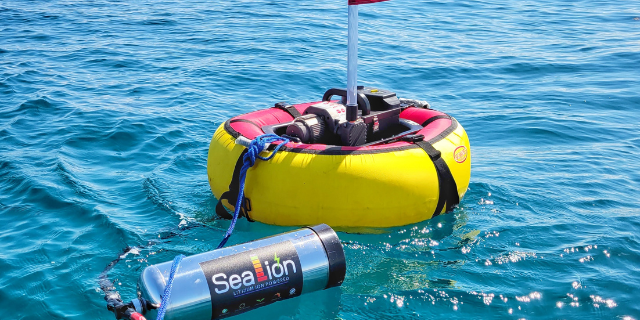
Essential Tankless Dive System Safety Tips for Safe Diving
Tankless Dive System Safety: Essential Tips and Best Practices for Responsible Underwater Breathing
Tankless dive systems, often referred to as hookah diving systems, offer recreational divers an alternative to traditional scuba tanks by supplying air from the surface through a hose. While these systems can enhance mobility and reduce equipment bulk, it is important to understand their operational limits and safety considerations. This article provides guidance on responsible use, emphasizing risk management, proper training, and adherence to manufacturer instructions to help divers enjoy underwater activities safely.
What Are Tankless Dive Systems and What Should Users Know About Their Air Supply?
Tankless dive systems deliver air from a surface compressor to the diver via a hose, eliminating the need to carry heavy tanks. However, unlike certified commercial surface-supplied equipment, recreational tankless systems do not guarantee a continuous or unlimited air supply. Factors such as compressor battery life, hose management, and environmental conditions can affect air delivery. Users must recognize that these systems are intended for shallow, short-duration dives and that air supply interruptions are possible.
How Does Surface-Supplied Air Work in Recreational Tankless Diving?
In recreational tankless diving, air is drawn from the atmosphere and compressed on the surface before being delivered to the diver through a hose. The compressor’s operation depends on power sources and mechanical condition, and the diver’s safety relies heavily on proper equipment maintenance and monitoring. Because these systems are not designed to replace certified commercial diving gear, divers should always plan conservatively and be prepared for potential air supply interruptions.
Important:
Tankless dive systems are recreational tools intended for controlled, shallow-water use. They require careful planning, supervision, and adherence to safety guidelines to manage risks effectively.
What Are the Main Components of Recreational Hookah Diving Equipment?
Recreational hookah diving equipment typically includes:
- Air Compressor: Compresses air from the surface; its operation depends on power supply and maintenance.
- Regulator: Controls air pressure delivered to the diver; must be checked regularly for proper function.
- Hoses: Connect the compressor to the diver; require careful handling to avoid entanglement or damage.
- Safety Gear: Includes surface flotation devices and emergency signaling equipment; essential for managing unexpected situations.
Understanding and maintaining these components is critical for safe recreational diving.
What Safe Diving Practices Should You Follow When Using Tankless Dive Systems?
Safe use of tankless dive systems depends on thorough preparation, conservative planning, and ongoing vigilance. Key practices include:
- Pre-Dive Safety Checks: Inspect all equipment carefully before each dive, including hoses, compressor function, and regulator performance.
- Dive Planning: Limit dive depth and duration according to system capabilities and personal experience. Always dive with a buddy and communicate your plan clearly.
- Emergency Preparedness: Know how to respond to air supply interruptions, including signaling your buddy, performing a controlled ascent, and using emergency flotation devices if necessary.
Adhering to these practices helps manage the inherent risks of recreational tankless diving.
What Pre-Dive Safety Checks Are Essential?
Before each dive, ensure:
- Equipment Inspection: Confirm the compressor is operational and hoses are intact and securely connected.
- Regulator Testing: Verify the regulator delivers air smoothly and at appropriate pressure.
- Safety Gear Readiness: Check that flotation devices and signaling equipment are accessible and functional.
How Should You Respond to Air Supply Interruptions?
If you experience an air supply issue:
- Signal Your Buddy: Use agreed-upon signals to communicate the problem immediately.
- Ascend Carefully: Begin a controlled, slow ascent to the surface, maintaining awareness of your surroundings and ascent rate.
- Use Emergency Equipment: Deploy flotation devices or other emergency aids as needed to assist your ascent.
How Should You Maintain and Troubleshoot Recreational Tankless Dive Systems?
Proper maintenance and troubleshooting are vital to reduce the risk of equipment failure. Recommended practices include:
- Routine Maintenance: Clean and inspect the compressor, hoses, and regulator regularly to prevent wear and corrosion.
- Issue Identification: Be alert to signs of air leaks, pressure fluctuations, or compressor malfunctions and address them promptly.
- Manufacturer Guidelines: Follow all maintenance and operational instructions provided by the equipment manufacturer.
Best Maintenance Tips for Portable Tankless Systems
- Clean After Use: Remove moisture and debris from equipment to prevent damage.
- Inspect for Wear: Check hoses and connections for cracks or leaks before each dive.
- Store Properly: Keep equipment in a dry, cool environment away from direct sunlight.
Common Issues and How to Address Them
- Air Leaks: Tighten or replace faulty hose connections.
- Pressure Inconsistencies: Adjust or service the regulator as needed.
- Compressor Problems: Verify power supply and perform routine maintenance to ensure reliable operation.
What Regulatory and Certification Information Applies to Recreational Tankless Dive Systems?
Recreational tankless dive systems are not certified for commercial or scientific diving use and do not fall under workplace diving regulations. Users should understand that these systems are designed for recreational purposes only and do not replace professional surface-supplied diving equipment. Compliance with local laws and manufacturer recommendations is essential, but formal certifications such as ANSI, ISO, OSHA, or CE marking related to commercial diving equipment do not apply to recreational tankless systems.
Always ensure that your equipment is purchased from reputable sources and that you follow all safety instructions provided by the manufacturer.
What Do User Experiences Suggest About Tankless Dive System Safety?
User feedback highlights the importance of understanding the limitations and responsibilities associated with tankless dive systems. Many recreational divers appreciate the convenience of these systems for shallow, short dives but emphasize the need for proper training, conservative dive planning, and regular equipment maintenance. Users consistently note that safety depends on the diver’s knowledge, preparation, and adherence to guidelines rather than on the equipment alone.
Key Takeaways from Recreational Diver Feedback
- Training and Preparation: Proper instruction and practice are essential before using tankless systems.
- Equipment Limitations: Recognizing that air supply is not guaranteed helps divers plan safer dives.
- Risk Awareness: Understanding potential hazards and having emergency plans in place improves safety outcomes.
Learn More About Safe Diving Practices
Ready to Dive Responsibly?
Ensure your next tankless dive is safe and enjoyable by investing in proper training, thorough equipment checks, and conservative dive planning. Remember, your safety depends on your preparation and respect for the equipment’s limits.