Recreational Diving for Families: Why Tankless Systems Are Perfect for Beginners
Recreational Diving for Families: Considerations for Using Tankless Diving Systems
Recreational diving offers families a unique opportunity to bond while exploring the underwater world. However, diving with any equipment requires careful attention to safety, training, and environmental conditions. This article provides an overview of tankless diving systems as recreational, shallow-water tools that may simplify some aspects of diving gear but require responsible use. Readers will find information on the technology, safety considerations, and important guidelines to help families make informed decisions about their diving activities.
Understanding Tankless Diving Systems and Their Use in Family Diving
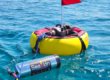
Tankless diving systems are surface-supplied devices that allow divers to breathe underwater without carrying traditional tanks. These systems use a breathing apparatus connected by a hose to an air supply at the surface. While this setup can reduce the weight and bulk of traditional scuba gear, it does not guarantee a continuous or uninterrupted air supply, and users must remain vigilant and well-trained.
Tankless systems may offer some advantages in terms of mobility and transport, but they are intended for recreational use in shallow, controlled environments. They are not a substitute for comprehensive diving training or safety practices, and their suitability varies depending on individual readiness, supervision, and adherence to manufacturer instructions.
How Tankless Systems Function and What Users Should Know
These systems deliver air from the surface through a hose to the diver’s breathing apparatus. Unlike traditional scuba tanks, the diver does not carry the air supply, but this means the diver is dependent on the surface air source and hose integrity. Users must understand that air delivery can be interrupted and that managing air supply and dive duration remains critical.
Tankless systems may reduce some equipment complexity, but they do not eliminate the need for careful monitoring, training, and adherence to safe diving practices. Families should approach these systems as recreational tools suitable for short, shallow dives under controlled conditions.
Important Safety Considerations for Families Using Tankless Diving Gear
Safety is paramount when diving, especially with families and children. Tankless systems do not inherently increase safety and should be used only with proper training, supervision, and conservative dive planning. Key safety guidelines include:
- Thorough Equipment Checks: Always inspect all components of the tankless system before each dive to ensure proper function.
- Buddy and Supervision Systems: Never dive alone. Families should dive with a buddy and ensure that inexperienced divers are closely supervised by qualified adults.
- Emergency Preparedness: All participants should be familiar with emergency procedures, including signaling for help and responding to equipment issues.
- Environmental Awareness: Use tankless systems only in calm, shallow waters where conditions are well understood and safe.
Adhering to these practices helps reduce risks but does not eliminate them. Training and vigilance remain essential.
Training and Readiness for Using Tankless Diving Systems
Proper training is critical for anyone using tankless diving equipment. Families should seek instruction from certified diving professionals and consider courses that cover equipment handling, safety protocols, and environmental awareness. Starting in controlled environments such as pools or shallow, calm waters is recommended before attempting open water dives.
Readiness to use tankless systems varies by individual and should be assessed carefully. Manufacturer guidelines and local regulations should always be followed, and no assumptions should be made about suitability based on age or experience alone.
Technical Overview: How Tankless Diving Technology Works
Tankless diving systems operate by supplying air from a surface source through a hose to the diver’s breathing apparatus. The main components include:
It is important to note that safety features such as automatic shut-off valves or alarms vary by model and should not be relied upon as substitutes for proper training and vigilance.
Limitations and Responsible Use
Tankless diving systems are designed for recreational use in shallow, calm waters and short durations. They do not guarantee a continuous or fail-safe air supply. Users must plan dives conservatively, monitor air supply carefully, and be prepared to abort dives if conditions change or equipment issues arise.
These systems are not a replacement for traditional scuba training or equipment in more challenging environments. Families should always prioritize safety, training, and adherence to manufacturer instructions.
Choosing Tankless Diving Systems: Factors to Consider
When selecting a tankless diving system, families should evaluate:
- Manufacturer Instructions and Support: Choose systems with clear guidance and accessible customer support.
- Safety Features: Understand which safety features are included and their limitations.
- Ease of Use: Consider how intuitive the system is, but remember that training is essential regardless.
- Environmental Suitability: Ensure the system is appropriate for the intended diving conditions.
Consulting with diving professionals and specialty dive shops can provide valuable insights tailored to your family’s needs.
Where to Purchase Tankless Diving Equipment
Reliable tankless diving gear can be sourced from:
- Specialty Dive Shops: Local shops often provide expert advice and equipment fitting.
- Manufacturer Websites: Buying directly can ensure authenticity and warranty coverage.
- Reputable Online Retailers: Look for sellers with positive reviews and clear return policies.
Always verify that the equipment meets safety standards and is suitable for your intended use.
User Experiences and Cautions
Users report that tankless systems can reduce equipment bulk and may enhance comfort in shallow-water recreational diving. However, many emphasize the importance of thorough training, supervision, and conservative dive planning. No equipment can replace the need for responsible diving practices.
Families considering tankless systems should weigh these factors carefully and avoid assumptions about ease or safety based solely on equipment features.
Frequently Asked Questions
Is there a recommended age for children to use tankless diving systems?
There is no universally recommended age. Readiness depends on individual maturity, swimming ability, training, and supervision. Families should consult manufacturers and certified diving instructors to assess suitability on a case-by-case basis.
Are tankless diving systems suitable for all water conditions?
Tankless systems are best used in calm, shallow waters such as lakes or protected coastal areas. They are not designed for strong currents, deep dives, or challenging environments. Always assess local conditions and seek professional advice before diving.
How do tankless systems compare to traditional scuba gear in cost and maintenance?
Tankless systems may have lower upfront costs and reduced maintenance related to tanks and refills. However, costs vary widely by brand and features. Maintenance still requires regular inspection and care to ensure safety and reliability.
What training is recommended before using tankless diving systems?
Training from certified diving professionals is essential. This includes understanding equipment operation, safety protocols, emergency procedures, and environmental awareness. Practice in controlled environments is strongly advised before open water use.
Can tankless diving systems be used for snorkeling?
Tankless diving systems are not designed or recommended for snorkeling. Snorkeling typically involves surface breathing without equipment that supplies air underwater. Using tankless systems outside their intended purpose can be unsafe.
What maintenance is required for tankless diving systems?
Regular maintenance includes inspecting hoses and connections for wear, cleaning the breathing apparatus, and following manufacturer guidelines for servicing and storage. Proper maintenance is critical to ensure safe operation.
Conclusion
Tankless diving systems can offer a recreational option for families interested in exploring shallow underwater environments. However, they are not inherently safer or simpler than traditional scuba gear and require careful training, supervision, and conservative dive planning. Safety depends on responsible use, adherence to manufacturer instructions, and environmental awareness. Families should approach tankless diving with caution, prioritize education, and consult diving professionals to ensure a safe and enjoyable experience.